Live Longer, Stress Less: 4 Simple Secrets That Extend Your Healthspan
Posted on
Table of Contents
The Most Modifiable Lifestyle Factors Environmental and Social Factors Genetic Factors Happiness for Healthy Aging Cultural Concepts of Well-being Lagom: The Art of “Just Right” Hygge: Cultivating Warmth and Connection Ikigai: Finding Your Reason for Being Njuta: The Mindfulness of Savoring Your Blueprint for Healthy Aging
Longevity generally refers to a long duration of individual life or simply length of life.
In the context of health and wellness, it is often used to mean living significantly longer than the average lifespan, and ideally, maintaining good physical and mental health throughout those extra years.
Definition of Lifespan & Healthspan
Lifespan is the total number of years an individual lives, from birth to death, regardless of their health status. It is a measure of longevity without considering the quality of those years in terms of health.
Healthspan refers to the number of years an individual lives in good health, free from chronic diseases and disabilities associated with aging. It emphasizes the quality of life, aiming for a period of life spent in good health rather than just focusing on the total number of years lived.
Longevity is influenced by a complex interaction between genetics, lifestyle, and environmental or socioeconomic factors. While genetics are important, the majority of the variation in human lifespan is attributed to non-genetic factors that are often modifiable.
The Most Modifiable Lifestyle Factors
These choices have a profound impact, especially in the first seven to eight decades of life:
Physical Activity: Regular, moderate-to-vigorous exercise is crucial. It enhances cardiovascular function, reduces the risk of chronic diseases, and can extend life expectancy.
Healthy Diet: Eating patterns rich in fruits, vegetables, whole grains, and lean proteins (like the Mediterranean diet) are linked to lower risks of heart disease, diabetes, and cognitive decline. Caloric intake moderation is also a key area of research.
Avoiding Smoking and Limiting Alcohol: Smoking is one of the strongest predictors of early death and is linked to numerous diseases. Excessive alcohol consumption also negatively impacts health and lifespan.
Quality Sleep: Adequate and regular sleep is vital for cellular repair and cognitive function, and consistent sleep patterns are associated with better longevity.
Stress Management and Mental Health: Chronic stress and anxiety can significantly shorten lifespan. Prioritizing happiness, having a sense of purpose, and effectively coping with stress are important for healthy aging.
Environmental and Social Factors
These external factors play a major role, often influencing the ability to maintain a healthy lifestyle:
Socioeconomic Status: Factors like income, education, and living conditions significantly influence health outcomes, access to quality healthcare, and nutrition.
Social Connections: Strong social networks and avoiding social isolation provide emotional support, reduce stress, and promote better mental health, all of which are linked to increased longevity.
Access to Healthcare: Timely preventive care, screenings, and treatment for illnesses are critical for extending a healthy life.
Living Conditions: Access to clean air, safe neighborhoods, and nutritious food further support a healthy lifestyle.
Genetic Factors
Genetics are estimated to account for about 20-30% of the variation in human lifespan:
Inherited Predispositions: Certain gene variants (like FOXO3 and SIRT1) have been consistently linked to longer lifespans, as they influence cellular repair, metabolism, and resistance to age-related diseases.
Biological Processes: Genes involved in DNA repair, telomere maintenance, and how the body handles inflammation and oxidative stress all contribute to the rate of biological aging.
When we think of longevity, our minds often jump to extreme diets, high-tech supplements, or grueling workout routines. But what if the true secret to adding not just years, but healthy, joyful years – or your healthspan – was far simpler and less stressful? Across the globe, particularly in cultures celebrated for their long-lived and happiest populations, the key isn’t a complex medical regimen; it’s a mindset. We often overlook the profound impact of our psychological well-being, social connections, and sense of purpose.
In this article, we focused on Happiness and Stress. Future articles will cover Sleep, Diet, etc. We will uncover four powerful, yet beautifully simple, cultural philosophies – from the balanced moderation of Lagom to the cozy connection of Hygge – that you can immediately integrate into your daily routine. These aren’t just trendy buzzwords; they are actionable blueprints for managing stress, cultivating contentment, and ultimately, building a life that is bothlong and well-lived.
Happiness for Healthy Aging
The pursuit of happiness is profoundly linked to healthy aging and longevity. Research shows that cultivating positive psychological assets – such as a sense of purpose, optimism, and strong social ties – is associated with better physical health outcomes, reduced risk of functional disability and dementia, lower stress, and increased life satisfaction in older adults.
Cross-cultural concepts do offer practical blueprints for achieving this kind of balanced, purposeful happiness. While they originate from different cultures, they share core principles that promote a life worth living, which is a key ingredient for longevity.
Cultural Concepts of Well-being
These concepts provide varying perspectives on how to find contentment, purpose, and balance in daily life, all of which support mental and physical health as we age.
1. Ikigai (Japan) – Purpose and Meaning
Definition:Ikigai (pronounced ee-kee-guy) translates roughly to “a reason for being” or “the thing that makes life worthwhile.”
It is a philosophy deeply rooted in the lifestyle of residents in Okinawa, one of the world’s “Blue Zones” (regions with the highest life expectancy). Having a strong Ikigai is linked to lower mortality risk and improved overall health.
2. Lagom (Sweden) – Balance and Moderation
Definition:Lagom (pronounced law-gom) means “not too little, not too much; just right” or “in moderation.” It’s about finding the optimal balance in every aspect of life.
It promotes a sustainable, balanced, and stress-reducing lifestyle that avoids excess and deprivation.
3. Hygge (Denmark/Norway) – Coziness and Connection
Definition:Hygge (pronounced hoo-gah) is a quality of coziness and comfortable conviviality that creates a feeling of contentment or well-being.
It emphasizes strong, nurturing social bonds and relaxation, both of which are critical for stress reduction and mental health.
4. Njuta (Sweden) – To Enjoy and Savor
Definition:Njuta (pronounced new-tah) simply means “to enjoy,” but in the Swedish context, it implies a deep, mindful savoring of the moment or an experience.
Similar to mindfulness, Njuta shifts focus from future worries or past regrets to appreciating the present, which improves subjective well-being and reduces daily stress.
Other Variations
Sisu (Finland): Refers to extraordinary determination, resilience, and courage in the face of adversity. This quality is essential for adapting to the losses and challenges that naturally come with aging, allowing individuals to maintain autonomy and a positive outlook.
Wabi-Sabi (Japan): An aesthetic philosophy that finds beauty in imperfection, transience, and incompleteness. This mindset helps promote self-acceptance and contentment by accepting the natural processes of aging and deterioration rather than striving for unattainable perfection.
Ubuntu (South Africa): Translates to “humanity” or “I am because we are.” This concept emphasizes community, reciprocity, and shared human connection. For older adults, this reinforces the importance of being valued and giving back to the community, which aligns strongly with the social engagement factors of healthy longevity.
Lagom: The Art of “Just Right”
The Swedish concept of Lagom (pronounced law-gom) translates to “not too little, not too much; just right.” It is a philosophy centered on moderation, sustainability, and finding balance in every aspect of life. In the pursuit of longevity, Lagom offers a powerful antidote to the stress of modern excess and the pressure to achieve perfection.
How Lagom Extends Your Healthspan:
Mindful Eating (Lagom in Diet):
It encourages eating until you are satisfied, not stuffed. This simple practice aligns with findings from Blue Zones, where populations often practice caloric restriction (eating about 80% full). This moderation reduces the strain on your digestive and metabolic systems, potentially slowing the aging process.
Preventing Burnout (Lagom in Work):
Lagom demands a healthy work-life balance. By avoiding the extremes of either overworking (which leads to chronic stress and its associated health risks) or under-utilization, it ensures a sustainable level of engagement and prevents the chronic inflammation linked to prolonged stress.
Financial and Material Balance:
This philosophy discourages excessive consumerism and debt. Living a financially “just right” life drastically lowers a major source of modern stress. It promotes owning what you need, using it well, and not chasing fleeting trends, freeing up mental energy for relationships and well-being.
Sustainable Exercise:
Lagom applied to fitness means choosing consistent, moderate physical activity over extreme, short-term training binges. Think of a daily walk or cycling to work, rather than sporadic, grueling workouts that can lead to injury or burnout. Consistency, according to longevity experts, is far more important than intensity.
Lagom teaches us that long-term happiness and health come from a steady, balanced state rather than fleeting bursts of excitement or indulgence. By embracing “enough,” you reduce the burdens that accelerate aging.
The Danish concept of Hygge (pronounced hoo-gah) is often cited as a major reason why Denmark consistently ranks among the happiest countries in the world. It is a feeling or an atmosphere of coziness, comfortable conviviality, and well-being achieved through small, simple pleasures and nurturing social interactions.
How Hygge Extends Your Healthspan:
Stress Reduction Through Atmosphere:
Hygge is about creating a safe, warm, and gentle environment (think candlelight, cozy blankets, and warm drinks). This deliberate slowing down of pace and focusing on sensory comfort activates the parasympathetic nervous system (the “rest and digest” mode), directly lowering the level of cortisol, the key stress hormone that accelerates aging and drives inflammation.
The Power of Strong Social Bonds:
Hygge is often a group activity, emphasizing being present with loved ones, sharing simple food, and having relaxed, authentic conversations. Longevity research unequivocally shows that strong social networks are one of the most powerful predictors of long life, often exceeding the impact of factors like exercise. Social isolation, conversely, has health risks comparable to smoking.
Prioritizing Presence Over Productivity:
By actively carving out time for hygge, you are prioritizing the quality of your present moment over the quantity of your tasks. For healthy aging, this shift is critical for combating anxiety and depression, which detract from a high healthspan.
Simple Joys and Gratitude:
The focus is on inexpensive, accessible pleasures—a shared meal, a good book, a quiet moment. This intentional appreciation helps foster gratitude; a psychological trait strongly correlated with overall happiness and life satisfaction in older adults.
In essence, Hygge is about building a buffer against the stressors of the outside world, creating a sanctuary where you can recharge your emotional batteries in the company of those who matter most.
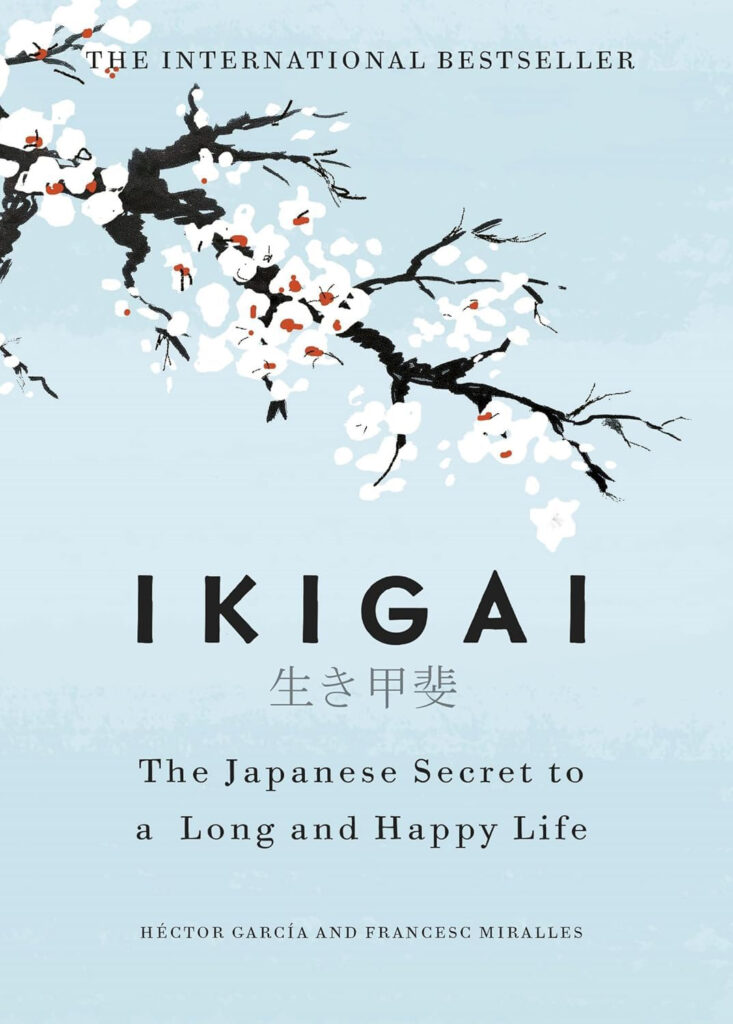
The Japanese concept of Ikigai (pronounced ee-kee-guy) translates roughly to “a reason for being” or “the value of life.” This philosophy is deeply ingrained in the culture of Okinawa, Japan, a famous Blue Zone with an extraordinarily high number of centenarians. Having a strong Ikigai is considered a crucial ingredient for a long, happy, and fulfilling life.
How Ikigai Extends Your Healthspan:
Purpose Drives Engagement:
Ikigai ensures you have something meaningful to wake up for every day. This daily motivation is directly linked to higher levels of engagement and resilience, which are essential for maintaining cognitive function and physical activity as you age. Research shows that people with a strong sense of purpose have lower rates of cardiovascular disease and dementia.
The “Never Retire” Mentality:
In Okinawa, many elderly people never truly retire from their passion; they simply shift the focus of their contribution. Whether it’s tending a small garden, volunteering, or teaching a traditional skill, maintaining a valued role prevents the rapid decline often seen when people stop working abruptly.
A Framework for Fulfillment:
Ikigai is often visualized as the intersection of four core areas: What you love, What you are good at, What the world needs, and What you can be paid for. Finding the sweet spot where this overlap provides a holistic sense of meaning that sustains mental health over decades.
Reduced Existential Stress:
Having a clear purpose acts as a psychological buffer against existential anxiety and the fear of aging. When your life is driven by meaning, you are less likely to fall into the mental trap of feeling useless or directionless, which can lead to poor health choices.
Embracing Ikigai is about ensuring your later years are not defined by slowing down, but by continuing to contribute and grow in ways that are meaningful to you and your community.
Njuta (pronounced new-tah) is a Swedish word meaning “to enjoy,” but in the context of Swedish well-being, it carries a deeper implication: to mindfully savor or appreciate an experience. It is the active decision to engage fully with and extract pleasure from the present moment.
While Hygge is about creating a cozy environment, Njuta is the state of mind that allows you to fully experience that coziness.
How Njuta Extends Your Healthspan:
Shifting Focus to the Positive:
Njuta encourages the conscious habit of noticing and appreciating small daily joys, the warmth of a cup of coffee, the smell of rain, a simple achievement. This intentional focus on positive experiences has been shown to counteract the brain’s negativity bias, leading to greater resilience and a more optimistic outlook, which are traits associated with longevity.
The Power of Savoring:
Savoring, a component of Njuta, is a psychological tool that involves intensifying and prolonging positive emotions. By focusing on sensory details and letting the good feeling truly sink in, you build up your internal well-being reserves, making you less susceptible to the draining effects of everyday stress.
Mindfulness and Stress Reduction:
When you are actively practicing Njuta, you are engaging in a form of mindfulness. This pulls your attention away from future worries (anxiety) or past regrets (depression) and anchors you firmly in the present. Reducing this mental rumination lowers chronic stress, which directly benefits your cardiovascular health and reduces age-related inflammation.
Enhancing Quality of Life:
Longevity is not just about the number of years; it’s about the quality of those years. Njuta ensures that life remains rich and satisfying, even as circumstances change with age. By finding deep enjoyment in simple, accessible things, your happiness is not dependent on external factors like wealth or health status.
In short, Njuta turns mundane moments into meaningful ones. It is the practice that makes a life built on Lagom (balance), Hygge (connection), and Ikigai (purpose) truly enjoyable and, consequently, longer.
We’ve explored the crucial link between happiness and healthy aging/longevity. While genetics account for a portion of lifespan, the majority is attributed to modifiable factors, chief among them, our psychological state and lifestyle.
We detailed four key global well-being concepts that offer a roadmap to this happiness:
Ikigai: Finding a reason for being or purpose, which drives engagement and resilience.
Lagom: Embracing moderation and balance (“just right”) to avoid burnout and excess.
Hygge: Cultivating coziness and strong social connections to reduce stress.
Njuta: Practicing mindful savoring and enjoyment of the present moment.
Other concepts like Sisu (resilience), Wabi-Sabi (acceptance of imperfection), and Ubuntu (community) reinforce the necessity of adaptation, perspective, and social support for a long, well-lived life.
The world’s happiest cultures offer a consistent longevity prescription that transcends diet and exercise: It is a balanced life fueled by purpose and connection. By embracing the moderation of Lagom, the warmth of Hygge, the purpose of Ikigai, and the mindful savoring of Njuta, you are not just striving for more years, but for richer, less stressful, and healthier years. These four principles provide a holistic, actionable framework that makes happiness an everyday habit, ensuring that your healthspan—the period of life spent in good health—keeps pace with your overall lifespan.
Happiness is a Modifiable Longevity Factor
The overarching conclusion is that happiness is not a byproduct of longevity; it is a fundamental ingredient of it. These cultural philosophies, when integrated into daily life, serve as a practical, actionable framework for cultivating psychological health. By prioritizing purpose (Ikigai), balance (Lagom), connection (Hygge), and mindfulness (Njuta), individuals can actively lower stress, maintain cognitive and physical engagement, and strengthen the social support networks proven to be vital for extending a healthy life (healthspan). Ultimately, the world’s wisdom traditions agree: a life of meaning and connection is the key to living longer, better.