Rebuilding Muscle Mass with Strength & Power Training
Posted on
The information contained in this article is for educational and informational purposes only and is not intended as health or medical advice. Always consult a physician or other qualified health provider regarding any questions you may have about medical conditions or health objectives.
How Quickly Can Resistance Training Reverse Muscle Loss?
Strength Training versus Power Training
Boost With Stretching Exercises
Simple Starter Exercise Plans: Weekly Exercise Plan,Weekly Meal Plan
Jump Start: Weighted Vest or Backpack (Rucking) – Minimal Equipment
Jump Start: Bodyweight Exercises – No Equipment Needed
Structured & Detailed PRTPlans: Kettlebells, Dumbbells, Bodyweight Only
“Do you want to do your favorite activity to stay in shape, or do you want to stay in shape to enjoy your favorite activity?”
Introduction
Stop Losing Muscle — Start Rebuilding It Now
“Be the oldest person in the gym not the youngest person in the assisted living”
After age 30, your body starts losing up to 3–5% of muscle every decade – and by the time most men reach their later years, they’ve lost nearly one-third of their muscle mass. This isn’t just about strength – it’s about independence, mobility, and longevity. Midlife is the critical decade to start building and preserving muscle reserve
But here’s the good news: you can rebuild it. Muscle loss isn’t permanent. With the right plan, dedication, and consistency, you can reverse years of decline and regain strength at any age.
One major culprit behind age-related muscle loss (sarcopenia) is the natural drop in testosterone, which slows protein synthesis and muscle growth. The most effective and safest way to fight back? Progressive Resistance Training (PRT) — a structured approach that gradually increases resistance or weight to trigger muscle growth and restore strength. PRT can be adapted to any fitness level or health condition, making it ideal for older adults.
Your diet is equally critical. Protein fuels muscle repair and growth, but as you age, your body becomes less efficient at processing it – a challenge known as anabolic resistance. Without enough quality protein, you’ll keep losing ground. (We’ll cover exactly how to eat for maximum muscle gain in a future article.)
If you’re not strength training regularly, expect to lose 4–6 pounds of muscle every decade – especially the fast-twitch fibers responsible for power and speed. That means you’re not just getting weaker — you’re slowing down.
The time to act is now. Every workout, every rep, every gram of protein matters. Rebuild your strength. Reclaim your vitality. It’s never too late to fight back against muscle loss — but the longer you wait, the harder it becomes.
What is Sarcopenia?
“Muscle is the organ of longevity you want to hang on to it as long as possible”
Sarcopenia is the age-related loss of skeletal muscle mass, strength, and function. It typically begins around the age of 30 and accelerates with aging, especially after age 60. It increases the risk of falls, frailty, loss of independence, and overall decline in quality of life.
Symptoms: Muscle weakness, slower walking speed, difficulty rising from a chair or climbing stairs.
Diagnosis: Based on low muscle mass (measured by DEXA or bioimpedance), low muscle strength (e.g., handgrip), and/or poor physical performance (e.g., gait speed).
Treatment: Resistance training, adequate protein intake, vitamin D optimization, and in some cases, medical interventions.
Preventable and manageable with early intervention, sarcopenia is now recognized as a distinct medical condition and is classified with its own ICD-10 code (M62.84).
What Causes Sarcopenia?
Sarcopenia can occur naturally due to aging or other health conditions. But you can help reverse or prevent it by changing your eating habits and also doing certain exercises, such as resistance training.
The primary driver is aging, but a range of modifiable risk factors can accelerate or worsen muscle decline.
Aging
Hormonal Changes
Inflammation
Insulin Resistance
Nutritional Deficiencies
Physical Inactivity
Reversing Sarcopenia
How Can I Reverse or Prevent Sarcopenia?
“The body is like a grandfather clock you must wind it up every day”
Muscle aging is not fixed. Proper strength training can partially “rejuvenate” muscle tissue. Avoiding sarcopenia is a core goal of healthy aging—and it is highly modifiable.
1. Resistance Training
Resistance exercise is the most direct way to increase muscle mass and prevent its loss.
This type of training includes weightlifting, pulling against resistance bands or moving part of the body against gravity. When you perform resistance exercise, the tension on your muscle fibers results in growth signals that lead to increased strength. Resistance exercise also increases the actions of growth-promoting hormones. Moreover, resistance training is a brain-health intervention, not just a fall-prevention tool
2. Fitness Training
Sustained exercise that raises your heart rate, including aerobic exercise and endurance training, can also control sarcopenia.
Most research on aerobic exercise for the treatment or prevention of sarcopenia have also included resistance and flexibility training as part of a combination exercise program. These combinations have been consistently shown to prevent and reverse sarcopenia, although it is often unclear whether aerobic exercise without resistance training would be as beneficial.
3. Walking
Walking can also prevent and even reverse sarcopenia, and it’s an activity most people can do for free, anywhere they live. Hills and a weighted backpack or vest can increase the challenge (link to our blog)
4. Protein Intake
The 30-gram threshold for protein intake per meal in individuals over age 50 is supported by research from Don Layman and Stuart Phillips, which demonstrates that consuming at least 25–30 grams of high-quality protein per meal is necessary to maximally stimulate muscle protein synthesis (MPS) in older adults.
Don Layman and colleagues have described the concept of a “meal threshold” for protein, noting that the leucine-induced activation of mTORC1—a key pathway for muscle anabolism—requires a sufficient per-meal protein dose, which increases with age due to anabolic resistance. Their work recommends at least 20–30 grams of protein per meal to optimize MPS and metabolic health in older adults, with redistribution of protein intake across meals to achieve these targets.
Stuart Phillips and collaborators have similarly emphasized that protein intakes of 30–40 grams per meal are associated with greater lean mass and muscle strength in older adults, and that more frequent consumption of meals containing 30–45 grams of protein is linked to better muscle outcomes. Phillips also notes that a per-meal protein target of 0.4–0.6 g/kg bodyweight/meal (which typically equates to 30–40 grams for most older adults) is supported by dose-response studies of MPS.
Additional reviews and consensus statements echo these findings, recommending evenly distributed protein intakes of 25–30 grams per meal to maximize MPS and support muscle health in aging populations. These recommendations are grounded in both acute metabolic studies and observational data linking per-meal protein intake to muscle mass and function.
In summary, the 30-gram per meal threshold is well-supported by the research of Layman and Phillips, reflecting the increased anabolic resistance in older adults and the need for higher per-meal protein doses to maintain muscle health.
Muscle Recovery using Resistance Training
Below is a summary of the most important and recent studies (2020 to 2024) on muscle recovery and adaptation in older adults using resistance training, highlighting their findings and clinical implications.
Key Insights
Resistance training is the most effective intervention for muscle recovery and adaptation in aging adults.
Both high-intensity and lower-load (e.g., elastic bands) protocols are effective.
Recovery from exercise-induced damage varies, but consistent training improves muscle quality, strength, and functional fitness.
Combining resistance training with nutritional or supplemental support may further enhance recovery and muscle gains.
1. Systematic Review of Resistance Training in Elderly with Sarcopenia
Resistance training significantly improves grip strength, gait speed, and skeletal muscle index in elderly patients with sarcopenia. Kettlebell and elastic band modalities were both effective, with elastic bands supported by multiple studies.
2. Recovery from Resistance Exercise in Older Adults
Resistance training increases muscular strength, power, and metabolic health, but recovery from exercise-induced muscle damage (EIMD) is variable in older adults. Individual factors like training intensity, status, age, and sex influence recovery speed and magnitude.
3. Resistance Training Slows and Reverses Age-Related Muscle Fiber Changes
Resistance training can slow and, in many cases, reverse the changes in muscle fibers associated with aging, supporting its use for muscle recovery and regeneration in seniors.
4. Resistance Training Prescription for Sarcopenia
Two full-body resistance exercise sessions per week, performed with high effort for 1–3 sets of 6–12 repetitions, are recommended for treating sarcopenia. Proper dose and progression are key for optimal muscle recovery and adaptation.
5. Optimizing Skeletal Muscle Anabolic Response
Progressive resistance training 2–4 times per week at 60–80% of 1RM improves muscle mass and function. Supplemental therapies (e.g., protein, creatine, vitamin D) may further enhance recovery and gains.
6. Effects of 16 Weeks of Resistance Training in Older Women with Sarcopenia
Sixteen weeks of resistance training improved muscle quality, growth factors, and functional fitness in older women with sarcopenia, indicating enhanced recovery and adaptation.
7. Resistance Training Improves Muscle Strength and Quality in Elderly
Thirteen RCTs confirm that resistance training leads to significant improvements in muscle strength, gait speed, and skeletal muscle index in older adults with sarcopenia.
8. Resistance Training and Skin Aging
Resistance training not only benefits muscle but also rejuvenates aging skin by improving elasticity and dermal structure, suggesting systemic recovery effects.
9. Resistance Training and Anabolic Resistance in the Elderly
While older adults have a blunted anabolic response, resistance training still results in muscle hypertrophy and strength gains, though to a lesser extent than in younger individuals. Combining exercise with nutritional support may enhance recovery.
10. Chronic Adaptations and Recovery Strategies
Chronic resistance exercise reduces falls risk and improves daily functioning in older adults. Understanding acute recovery from EIMD helps tailor exercise prescriptions for better safety and efficacy.
11. Functional Overload and Muscle Hypertrophy
Functional overload from resistance training induces muscle fiber hypertrophy and increased muscle mass in a dose-dependent manner in elderly adults.
12. Neuromuscular Adaptations Without Fiber Hypertrophy
Resistance training improves innervation and muscle strength in older adults, even without significant muscle fiber hypertrophy, supporting its role in functional recovery.
These studies collectively demonstrate that resistance training is essential for muscle recovery, strength, and function in older adults, with measurable improvements seen in as little as 6 to 12 weeks.
How Quickly Can Resistance Training Reverse Muscle Loss?
Most seniors will notice strength and muscle gains within 6–12 weeks of starting a regular resistance training program, with improvements continuing as long as the program is maintained.
6 to 9 Weeks: A German review found that adults over 60 can experience measurable increases in muscle size in as little as six to nine weeks of regular strength training.
~8 Weeks: Multiple studies, including those comparing different training frequencies, observed that most strength improvements in older adults occurred within the first eight weeks of training.
~12 Weeks: Recent research documented substantial muscle hypertrophy (about 10–11% increase in quadriceps muscle size) after 12 weeks of resistance exercise in adults aged 65–75 and even those over 85.
12 to 24+ Weeks: Gains continue; more people accrue small-to-moderate mass increases; volume helps push strength higher.
Strength gains often appear before visible muscle size increases, due to early neural adaptations. With continued training, both strength and muscle mass improvements are typically seen within the first three months.
The Rule of 12
In seniors, it typically takes 12 weeks of consistent resistance training to start seeing noticeable muscle gains, though strength increases are often felt within the first 6 to 9 weeks.
Strength Training versus Power Training
Strength training and power training are both foundational exercise modalities, but they have distinct goals, methods, and outcomes. Strength training is focused on maximizing the force muscles can produce, typically through heavier weights and slower, controlled movements. Power training, on the other hand, aims to maximize the speed at which force is produced, prioritizing explosive, rapid movements with moderate loads.
What Is Strength Training?
Strength training is the practice of improving the ability of muscles to exert maximal force against resistance, usually by lifting heavy weights at slower speeds. The goal is to buildmuscle strength and enhance functional movement capability.
Strength training builds baseline force and increases muscle mass, vital for injury prevention, bone density, and overall body composition.
“Strength is a vital sign. It predicts longevity better than muscle size.”
What Is Power Training?
Power training focuses on developing the capacity to generate force rapidly, combining strength and speed for explosive movements. It typically uses moderate loads that are moved as quickly as possible, such as jumps, throws, or Olympic lifts like the clean and jerk.
Power training, by improving quickness and explosiveness, enhances athletic performance and helps older adults retain functional independence, as tasks like regaining balance require rapid force production.
Both are essential for performance and longevity:
Strength training builds the foundation (muscle, bone, stability).
Power training maintains functionality and quickness – especially vital with aging in preventing falls and maintaining agility.
Resistance Training
Resistance training is classified as both strength and power training, depending on how it is performed. It is a broad category of exercise that encompasses any activity in which muscles contract against external resistance (like weights, resistance bands, or body weight) to improve muscular fitness.
When resistance is heavy and movements are slower, the training emphasizes strength development – increasing the maximum force muscles can generate.
When resistance is lighter to moderate but movements are fast and explosive, the training emphasizes power development – enhancing how quickly force can be produced.
Boost With Stretching Exercises
Recent research indicates that combining stretching with resistance training can indeed provide additional muscle growth, though the effect depends on the type, intensity, and timing of stretching:
Synergistic Effects: Stretching induces muscle hypertrophy through passive tension, which complements the active tension from resistance training. A 2025 case study involving an experienced bodybuilder showed that 12 weeks of daily high-intensity static stretching, combined with regular resistance training, led to greater increases in muscle thickness, strength, and flexibility than resistance training alone. Notably, muscle thickness increased by up to 23.4% in the stretched muscle group1.
Supporting Studies: Other recent studies and reviews support these findings. For example, an 8-week randomized controlled trial found that a static stretching program produced similar gains in muscle mass and strength as a resistance training program, suggesting that stretching can contribute to hypertrophy, especially when performed at high intensity or duration.
Inter-Set Stretching: Incorporating stretching between sets (inter-set stretching) during resistance training sessions has been shown to enhance muscle growth compared to passive rest periods. One study found that inter-set stretching led to greater increases in muscle thickness, particularly in slow-twitch muscle fibers, which are typically less responsive to traditional resistance training.
Limitations and Considerations
Intensity and Duration Matter: Passive, low intensity stretching alone does not seem to provide significant hypertrophy benefits. The muscle-building effect is more pronounced with high-intensity, long-duration stretching, or when stretching is performed with some external load or during inter-set periods.
Practicality: Some protocols used in studies (e.g., holding a stretch for 15–60 minutes daily with a device) may be difficult to replicate in typical training settings.
Not a Replacement for Resistance Training: While stretching can enhance muscle growth, resistance training remains the gold standard for building muscle. Stretching should be viewed as a supplement rather than a substitute.
Summary Table
Intervention
Muscle Growth Effect
Notes
Resistance training alone
High
Most effective for hypertrophy
Stretching alone (high intensity/duration)
Moderate to high (in some studies)
May match resistance training in some cases
Combined resistance + stretching
Superior to resistance alone
Especially with high intensity stretching or inter-set stretching
Conclusion
Combining stretching- especially high-intensity, long-duration, or inter-set stretching – with resistance training can induce additional muscle growth compared to resistance training alone. However, stretching should be seen as a complement to resistance training (not a replacement), and practical application should consider individual tolerance and feasibility.
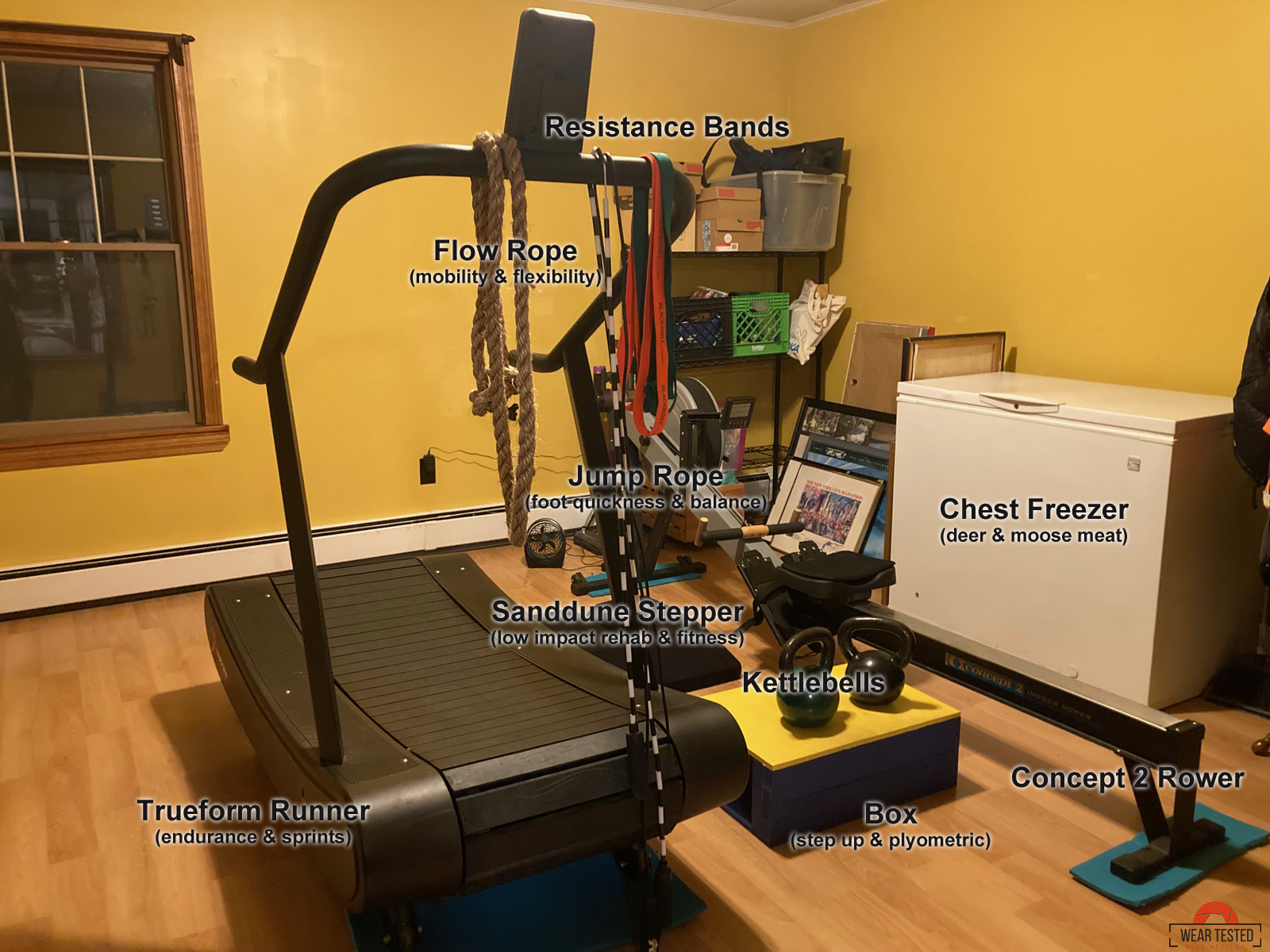
Dr. Mark’s Home Gym
According to one survey from Garage Gym Reviews, 61% of people polled utilize a home gym setup.
Here’s a simple, science-backed, senior-friendly approach:
1. Start with Strength Training (2–3x/week) – use light weights, resistance bands, or bodyweight exercises.
2. Incorporate Functional Movement – Tai Chi, Yoga, water aerobics to improve balance, flexibility, and joint mobility.
3. Prioritize Protein Intake – aim for 1.2 to 1.5 gramsof protein per kg of body weight per day, spread evenly across meals.
4. Vitamin D and Creatine Support – Vitamin D, which is essential for muscle function and creatine monohydrate has shown to improve strength when paired with resistance training.
5. Get Enough Sleep and Recovery – muscle repair and growth occur during rest.
Consult Your Doctor
Always check with a healthcare provider before starting a new exercise program, especially if you have chronic conditions, injuries, or balance issues.
Warm-Up and Stretch
Begin each session with a warm-up and gentle stretching to reduce injury risk.
Proper Technique
Focus on controlled, slow movements and proper form to prevent strain or injury.
Rest & Recovery
Take breaks between sets and ensure adequate rest days between sessions. Sufficient sleep is also crucial for muscle recovery and growth.
Progression
Start with lighter resistance and gradually increase as strength improves. Begin with 10 repetitions per set and increase the weight or resistance when you can comfortably perform 12–15 repetitions.
The simple starter, muscle building weekly exercise and meal plan follows.
Senior Muscle Building Weekly Plan
Day
Activity
Goal
Monday
Full-body resistance training (30 mins) + Protein-rich meal
Stimulate muscle growth and strength
Tuesday
Walk or light yoga (30 mins) + Protein snack
Promote flexibility and recovery
Wednesday
Rest or stretching + Ensure hydration
Allow muscle repair and hydration
Thursday
Full-body resistance training (30 mins) + Protein-rich meal
Build on strength gains
Friday
Balance exercises (e.g., Tai Chi, 30 mins) + Light walk
Improve stability and coordination
Saturday
Optional: Water aerobics or light bike ride + Protein snack
Active recovery to keep joints mobile
Sunday
Rest + Sleep focus + Plan weekly meals
Maximize recovery and prepare for next week
Senior Muscle Building Meal Plan
**If you have insulin resistance which can manifest as viscera fat, obesity, prediabetes, or type 2 diabetes reduce the carbohydrate component of this plan focusing on the proteins, non-starchy vegetables (greens) and natural fats.
Day
Breakfast
Lunch
Dinner
Snacks
Monday
Greek yogurt with berries + chia seeds
Grilled chicken salad + quinoa
Baked cod + roasted vegetables
Cottage cheese + berries
Tuesday
Oatmeal with almond butter + boiled egg
Lentil soup + whole grain bread
Chicken stir fry + soba noodles
Hard-boiled egg + apple
Wednesday
Smoothie with whey protein, banana, spinach
Tuna sandwich on whole grain + carrot sticks
Black bean chili + corn bread
Protein bar or shake
Thursday
Scrambled eggs + whole grain toast + avocado
Salmon with brown rice + steamed broccoli
Beef and veggie stew + brown rice
Nuts + Greek yogurt
Friday
Cottage cheese + fruit + walnuts
Hummus wrap with chickpeas + veggies
Grilled tofu + quinoa + spinach salad
Edamame + string cheese
Saturday
Protein pancakes with blueberries
Grilled turkey burger + sweet potato
Shrimp pasta + garlic greens
Banana + peanut butter
Sunday
Tofu scramble + fruit bowl
Veggie stir fry + tempeh + brown rice
Stuffed bell peppers with lentils
Trail mix + boiled egg
Jump Start: Weighted Vest or Backpack (Rucking) – Minimal Equipment
Want to take your power moves to the next level? A weighted vest is one of the most effective ways to build strength, boost endurance, and accelerate results – but only if you use it correctly.
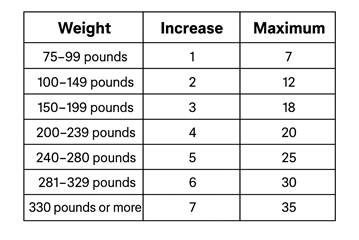
Choose a vest that can hold 20 to 40 pounds in half-pound bars. Your ideal max load depends on your body weight (see the Weight Guidelines Chart below to find your safe upper limit).
Start light. For your first 2–3 workouts, wear the vest without any added weight to let your body adjust. Then, gradually increase the load – adding small increments every week or two as recommended in the chart.
For example: a 120-pound woman would start with the vest alone, then progress to 2 lbs., 4 lbs., 6 lbs., 8 lbs., 10 lbs., and finally 12 lbs. over 6–12 weeks – stopping once she hits her target limit.
The key is steady progression, not rushing. If your workout ever feels too intense or you can’t complete 2–3 full sets, reduce the weight immediately. Progress safely, listen to your body, and let strength build over time — not overnight.
Jump Start: Bodyweight Exercises – No Equipment Needed
The most effective bodyweight exercises for functional fitness are those that closely replicate movements you perform every day such as sitting, standing, lifting, reaching, and stabilizing – functional movement skills. These skills emphasize strength, balance, coordination, and mobility, which are critical for maintaining quality of life and preventing falls as people age.
Bodyweight Squat Mimics sitting and standing; strengthens legs and core.
Lunge (Forward or Walking Lunge) Improves balance and leg strength; similar to climbing stairs or stepping forward.
Step-Up (using stairs or a sturdy platform) Trains single-leg strength and mimics stair climbing.
Push-Up Builds upper body strength for pushing movements (e.g., getting up from the floor, pushing doors).
Pull-Up or Inverted Row Strengthens pulling muscles used in opening doors or lifting objects overhead.
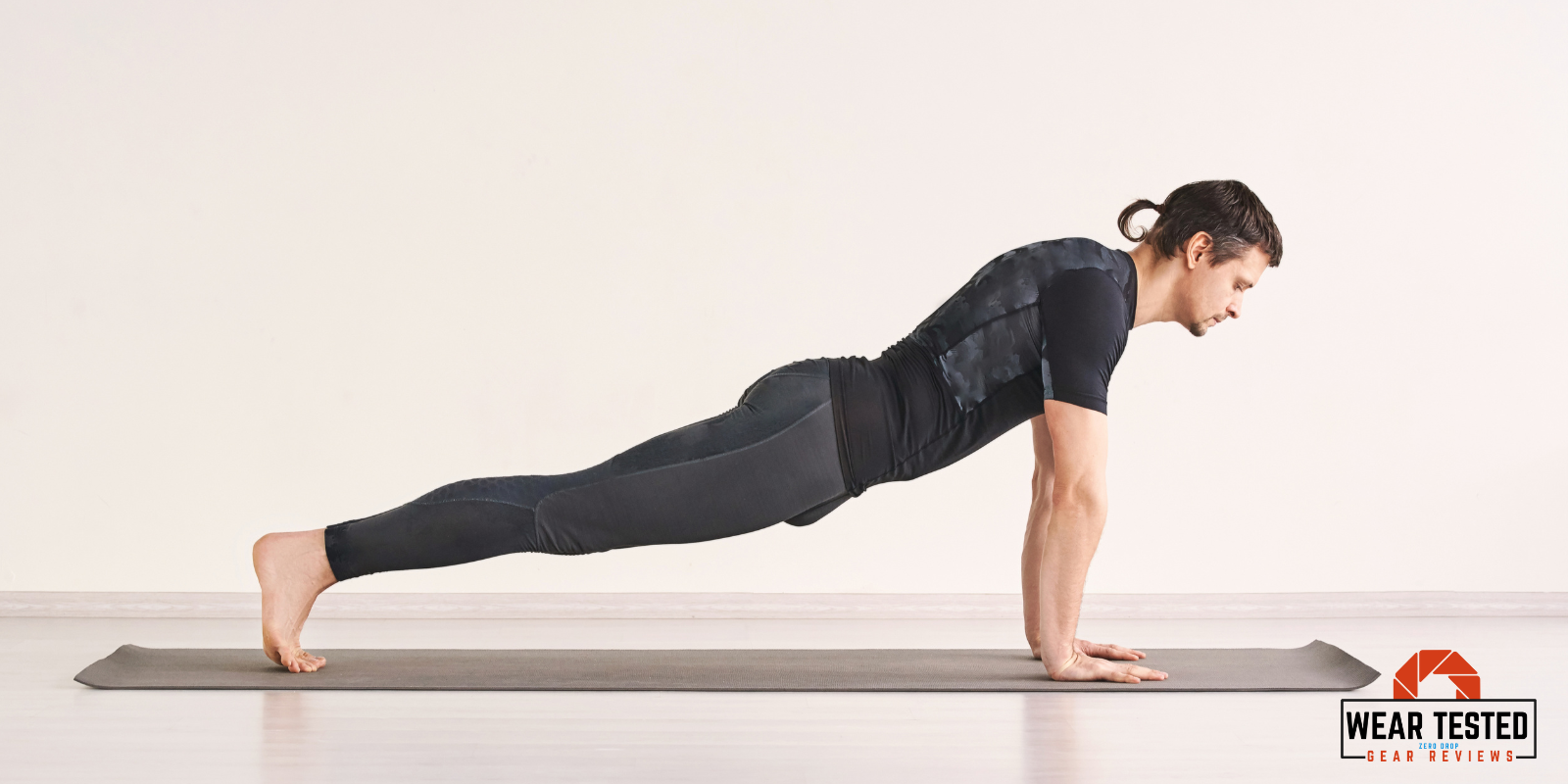
Plank (Front and Side) Develops core stability for posture and safe lifting.
Hip Hinge/Glute Bridge Mimics bending over to pick things up; strengthens glutes and lower back.
Single-Leg Deadlift (Bodyweight) Trains balance and hip stability, important for walking and preventing falls.
Step-Back or Reverse Lunge Improves lower body strength and coordination for backward movement.
Standing Calf Raise Builds ankle and calf strength for walking and balance.
Bird Dog Enhances core and back stability, supports safe reaching and lifting.
Standing Rotation (Standing Torso Twist or “Steam Engine”) Trains rotational core strength for twisting and reaching motions.
Effects of 16 Weeks of Resistance Training on Muscle Quality and Muscle Growth Factors in Older Adult Women with Sarcopenia: A Randomized Controlled Trial