
Yes — absolutely.
Training stimulates adaptation. Recovery is where the adaptation actually happens.
Muscle repair, strength gains, neurological efficiency, hormone balancing, and connective-tissue remodeling all occur after the workout, not during it.
You don’t get stronger from training — you get stronger from recovering from training.
What Is Recovery?
Recovery is everything that restores your body so you can train again with purpose, power, and longevity. It is the physiological and psychological process through which the body returns to baseline after stress.
Recovery is everything that restores your body so you can train again with purpose, power, and longevity.
It includes:
- Tissue repair (muscle, tendons, fascia)
- Nervous system reset (central nervous system and peripheral recovery)
- Hormonal rebalancing (cortisol ↓, anabolic hormones ↑)
- Glycogen replenishment
- Inflammation resolution
- Psychological recharge (mood, focus, motivation)
- Sleep-driven adaptations
Guidelines for Optimal Recovery
These are evidence-based and widely used in strength training, endurance sports, and longevity science.
Sleep: The Foundation
- 7–9 hours nightly (non-negotiable)
- Prioritize deep sleep: cool room, consistent schedule
- Growth hormones and muscle protein synthesis peak during sleep
Protein Intake
- Rebuilding muscle tissue
- 1.6–2.2 g/kg of bodyweight per day
- 25–40g high-quality protein within 2–3 hours post-training
- Even distribution across meals (0.3 g/kg per meal)
Hydration & Electrolytes
- Aim for half your bodyweight in ounces daily (varies by climate and sweat rate)
- Add electrolytes for training >60 minutes or in heat
Post-Training Nutrition (within 1-2 hours)
- Protein + carbs to replenish glycogen and support repair
- Example: Greek yogurt + fruit, protein shake + banana, rice + eggs
Active Recovery (Light Movement)
- Promotes circulation without stress
- 10–30 minutes of easy walking, cycling, mobility, or light swimming
- Reduces DOMS (delayed onset muscle soreness) and improves tissue healing
Rest Days (Planned and Strategic)
- 1–3 rest or active recovery days per week depending on training load
- For high intensity athletes: deload (reduced training volume) week every 4–6 weeks
Mobility & Tissue Care
- 5–10 minutes post-workout or on rest days
- Focus on hips, spine, ankles, and shoulders
- Foam rolling, light stretches, or mobility flows help reduce stiffness
Stress Management
- Cortisol directly affects recovery
- 5–10 minutes daily: breathing, meditation, sauna, nature walks
- Chronically high stress = poor recovery, poor performance
Heat & Cold Exposure (Optional Tools)
- Sauna: boosts recovery, improves circulation, stimulates heat-shock proteins
- Cold exposure: reduces inflammation and soreness
- Avoid cold immersion immediately after strength training if hypertrophy is the goal (can blunt adaptation)
Monitor Recovery
Tools and signs:
- Morning HRV
- Resting heart rate
- Mood/motivation
- Grip strength
- Sleep quality
If these drop, increase recovery.
Rest & Active Recovery Tools
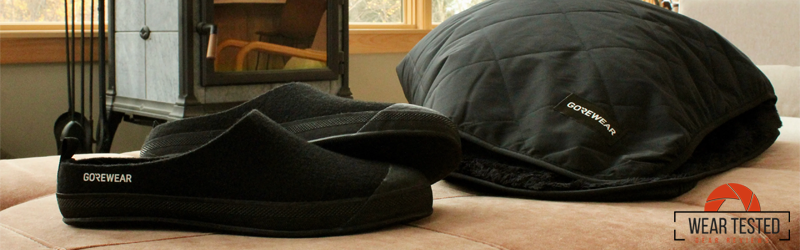
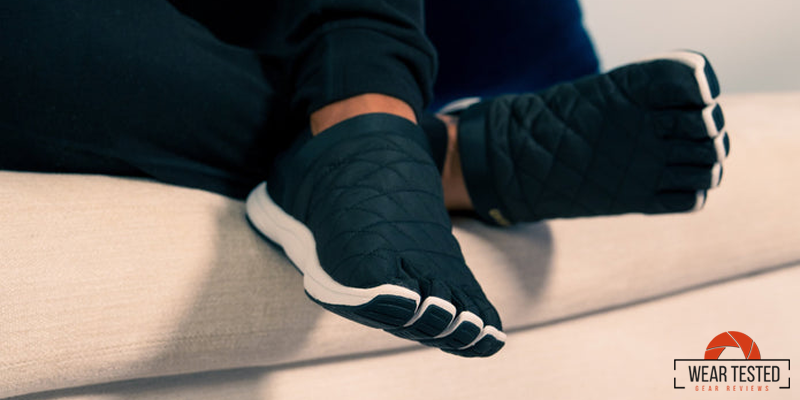
Here are some Recovery products that we have tested (and in the next few months):
- New Balance RCVRY Slide (published October 10, 2025)
- Injinji Compression Socks (published October 30, 2025)
- GoreWear Outdoor Slipper (published November 25, 2025)
- GoreWear Fleece Jogger (published November 25, 2025)
- Peluva Zen Active Slip-On (published December 3, 2025)
- Smartwool Second Cut Fleece Slipper (published December 8, 2025)
- Smartwool Active Fleece Jogger (published December 10, 2025)
- LEMs Shoes Zen Clog (published January 9, 2026)
Check back here for published links.
Your Next Action
Training breaks you down.
Recovery builds you back stronger.
Recovery = Sleep + Nutrition + Hydration + Rest + Active Movement + Stress Management.
| Recovery Approach | Purpose |
| Rest Days | Full muscular and CNS (central nervous system) recovery |
| Active Recovery | Promote blood flow, reduce soreness |
| Sleep | Hormonal balance, tissue repair |
| Nutrition & Hydration | Restore energy, aid repair |
| Manual Therapies | Reduce pain/fatigue |
| Variation & Monitoring | Prevent overtraining |