Complete Your Running & Recovery With Injinji Merino Wool & Compression Toe Socks
Posted on
If you have not been running in Injinji toe socks, you’ve been missing good foot health, comfort, and performance – natural toe movement, moisture management, blister protection, circulation, and muscle strength.
Note:
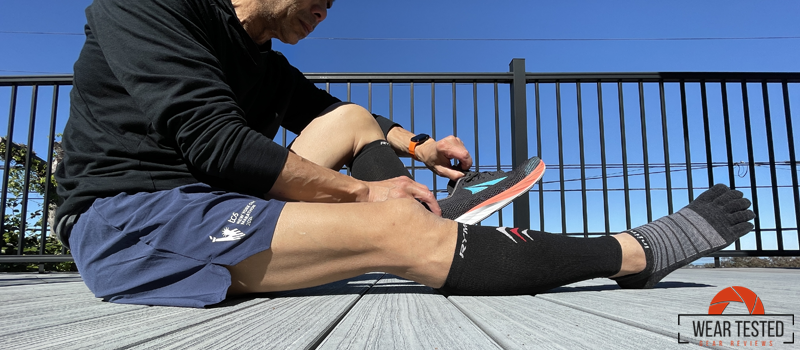
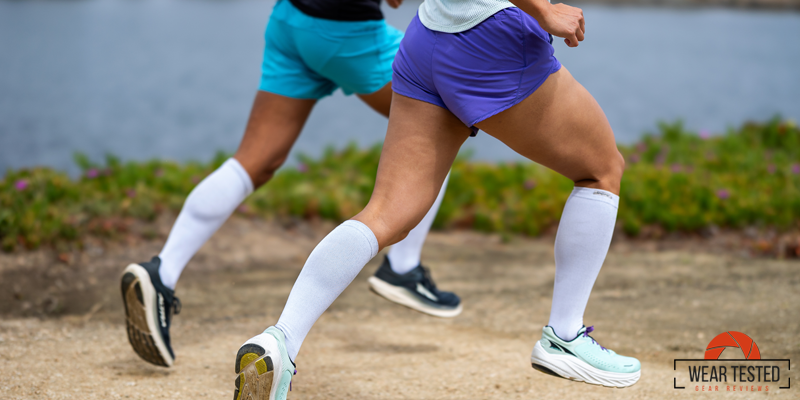
I don’t wear regular socks. I don’t normally wear toe socks unless it is really cold or I’m wearing dress shoes. I like to maximize proprioception and regular non-toe socks also limit my toe splay. But I always wear compression calf sleeves or compression socks whenever I run.
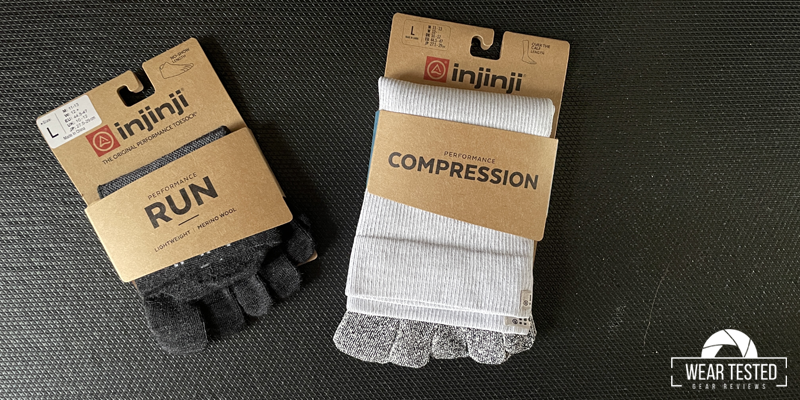
Injinji Run Lightweight No‑Show Wool
Wear these Injinji toe socks to prevent blisters instantly – each toe is shielded to eliminate friction, Merino wool destroys odor and regulates temperature even in extreme conditions, and the ultra-thin design keeps your feet dry and comfortable on any run. The below-ankle cut and stay-put heel tab mean zero hot spots, chafing, or slipping – so you stay focused, protected, and performing at your best with every stride.
Features per Injinji
No-Show Height: Heel tab prevents chafing
Mesh Top: Maximizes breathability and ventilation
Arch Support: Supportive band ensures a secure, stable fit
Total Foot Utilization: Supports full-foot alignment and engagement
200 Needle Count: High needle count supports lightweight durability
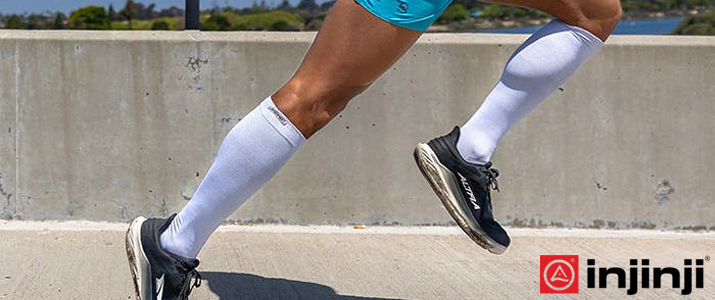
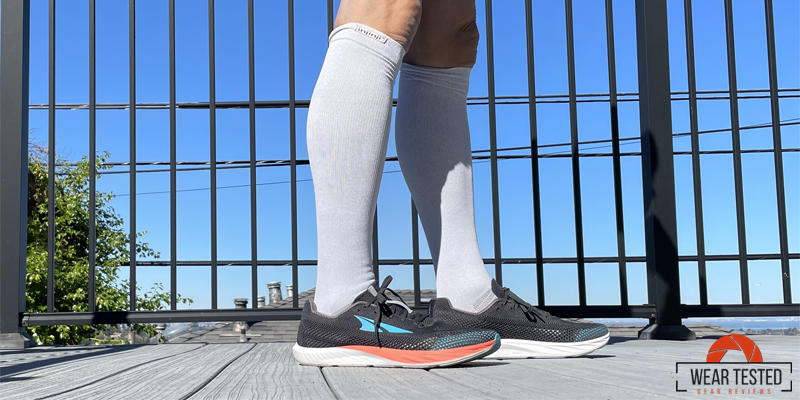
You need to wear these Injinji compression toe socks now – they boost blood flow for immediate muscle recovery, cut post-run fatigue, and lock your foot in place to stop slips and friction. The five-toe design shuts down blister risk on the spot, so you can run longer and recover faster with confidence and real support.
Features per Injinji
Graduated Compression: 15-20mmHg (moderate) from the ankle to below the knee
There are many benefits to wearing toe socks. Wearing toe socks seems like a small tweak but it actually changes foot mechanics in a big way.
Improved Blood Circulation: Toe socks wrap each toe individually, allowing the toes to move freely and stimulating better blood flow. This helps keep feet warm, reduces fatigue and swelling, and supports overall foot health.
Blister Prevention: By separating toes, toe socks reduce friction between them, which prevents blisters and skin irritation – a key benefit for runners, hikers, and those on their feet for long periods.
Moisture and Odor Control: Toe socks provide better ventilation and moisture wicking between toes, helping to keep feet dry. This reduces the risk of bacterial growth, unpleasant odors, fungal infections, and athlete’s foot.
Improved Balance and Posture: Separating the toes enhances sensory awareness and natural toe spread, which can improve foot stability, balance, and posture. This helps reduce joint and muscle pain in knees and back.
Foot Muscle Strengthening: Allowing toes to move independently engages and strengthens small foot muscles, improving foot flexibility and reducing injury risk. It may also prevent toe deformities like hallux valgus (bunions).
Better Comfort and Fit: Toe socks conform to the natural shape of the foot, offering a glove-like fit that improves grip inside the shoe and overall comfort, particularly for barefoot-style shoes or minimalist trainers.
In summary, toe socks promote foot health, comfort, and performance by supporting natural toe movement, moisture management, blister protection, circulation, and muscle strength.
Why Merino Wool Socks?
Merino wool socks offer a deep range of benefits, making them ideal for athletic, outdoor, and everyday wear.
Key Benefits
Temperature Regulation: Merino wool keeps feet warm in cold weather and cool in the heat, thanks to its natural insulation and breathable properties. This makes merino socks practical year-round for both summer and winter activities.
Superior Moisture Management: Merino fibers wick moisture away from the skin more effectively than cotton, helping to keep feet dry and reducing the risk of blisters during intense workouts or hikes.
Odor Resistance: Natural antimicrobial properties prevent the build-up of bacteria and unpleasant odors, keeping socks fresher for longer, especially useful for multi-day adventures or heavy training.
Comfort and Softness: Unlike traditional wool, merino fibers are exceptionally soft and fine, preventing itchiness and irritation while providing a gentle, smooth feel against the skin.
Fit and Durability: Merino wool’s elasticity ensures socks retain their shape without bagging or sagging, while the natural toughness of the fiber contributes to long-lasting wear.
Cushioning and Support: Fine merino fibers provide a slight cushioning effect, supporting the foot and absorbing shock on rough terrain, reducing fatigue and joint impact.
In summary, merino wool socks excel in moisture control, temperature regulation, odor resistance, comfort, and durability, making them an outstanding choice for sports, hiking, and daily use.
Compression socks offer several scientifically established benefits for athletes, individuals recovering from exercise, and those with circulation concerns.
Key Benefits
Improved Blood Circulation: Compression socks apply graduated pressure to the lower legs, promoting better venous return and supporting more efficient circulation. This leads to better oxygen delivery to muscle tissue and reduction of blood pooling, particularly important for endurance athletes and people prone to swelling.
Reduced Muscle Fatigue and Soreness: By supporting muscle groups, compression socks decrease vibration, muscle oscillation, and swelling during activities, which translates to less fatigue, soreness, and faster post-exercise recovery.
Faster Recovery: Wearing compression socks after exercise helps speed up the removal of lactic acid and waste products, reducing inflammation and swelling, and aiding muscle recovery, which is particularly useful when training frequency is high.
Injury Prevention: Compression socks help stabilize the foot and ankle, lower risk of shin splints, calf strains, and minor injuries, and enhance proprioception — increasing awareness of leg position during movement.
Support for Medical Conditions: Originally designed for managing varicose veins, edema, and deep vein thrombosis, compression socks are also effective for people who spend extended periods sitting or standing, reducing leg swelling and clot risk.
In summary, compression socks are highly valued for circulation, recovery, injuryprevention, and comfort, supporting both exercise performance and medical needs.
What is Graduated Compression?
Graduated compression means the sock applies different levels of pressure along the leg – tighter at the ankle and gradually looser as it moves up toward the calf or knee.
This creates a pressure gradient that helps blood flow upward (toward the heart) instead of pooling in the lower legs.
How It Works
Highest pressure = around the ankle
Moderate pressure = mid-calf
Lightest pressure = near the knee
This pattern assists the veins and reduces the workload on your circulatory system.