
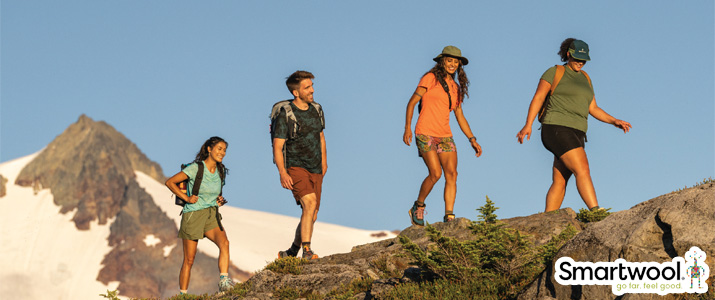
Two wear testers, five merino pieces, one of the Bay Area’s most beloved trails. A full breakdown of what worked, what didn’t, and whether natural fiber is truly worth it on a sunny Peninsula Sunday.
Sunday mornings don’t come much better than a mid-spring day at Sawyer Camp Trail with the reservoir glittering through the bay laurels and not a cloud within fifty miles. It’s one of those trails – fully paved, car-free, and threading the San Andreas Fault rift valley between Lower Crystal Springs and San Andreas Lake – that manages to feel both civilized and genuinely wild at the same time. Roughly 300,000 people hike, bike, and run it every year, and when you’re on it, it’s easy to understand why.
We came with a mission beyond the scenery: put five Smartwool merino pieces through a proper six-mile real-world test. Not a quick lap around the block, not a backyard photoshoot. Six miles of sun exposure, mild elevation change, sweaty climbs, and shaded creek-side stretches, worn by two people with very different body temperatures and very different relationships with wool.
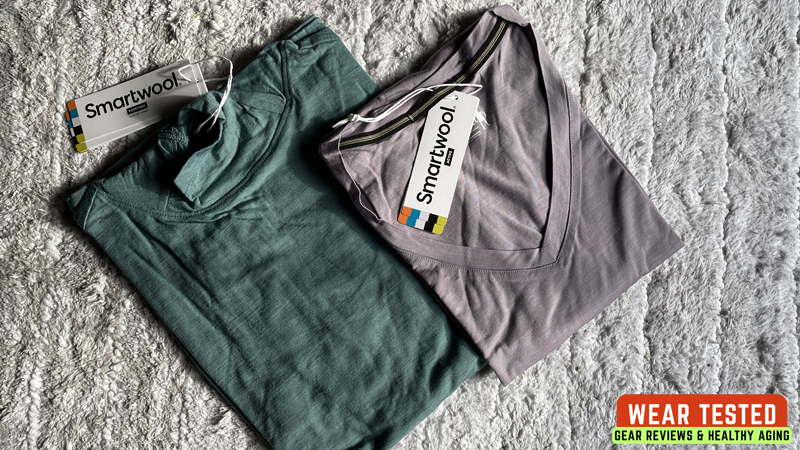
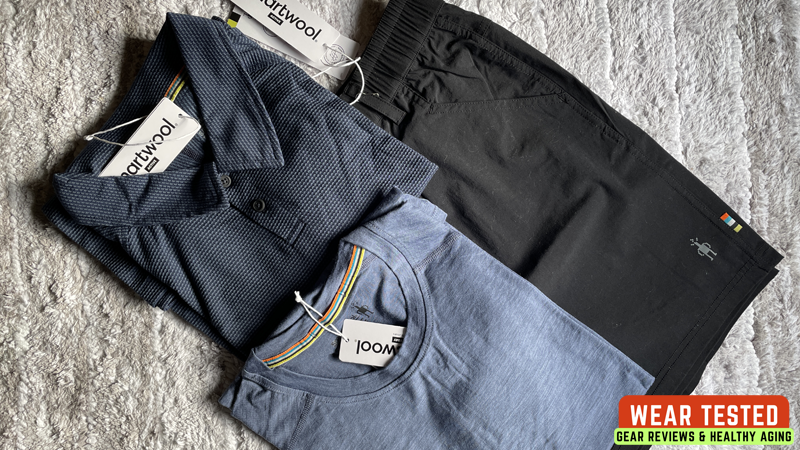
Between us we wore three men’s pieces – the Active Mesh Polo, the Merino 7″ Cargo Hike Short, and the Merino Short Sleeve Tee – plus two women’s pieces – the Active Ultralite V-Neck Short Sleeve and the Merino Sun Hoodie.
“Merino wool has no business feeling this good at mile five when you’re sweating in full California sun. And yet.”
Mile by Mile: What Each Piece Did When It Mattered
Mile 0 → 1: The San Mateo South Trailhead
Getting Started: Reservoir Views and First Impressions
The journey begins at the southern trailhead, where the paved path offers immediate, stunning views of the Lower Crystal Springs Reservoir. As runners, walkers, and hikers descend through a cooling canopy of California bay laurel, the initial gear impressions are overwhelmingly positive. The Men’s Active Mesh Polo stands out for its lightweight, silky TENCEL™ and Merino blend, offering a “barely-there” feel that defies the traditional scratchy reputation of wool. Similarly, the Women’s Active Ultralite V-Neck earns praise for its intentional design and featherlight 120 g/m² fabric, providing a put-together look without sacrificing comfort or mobility during the first mile.
Mile 1 → 2: Into Open Sun
The Heat Test Begins
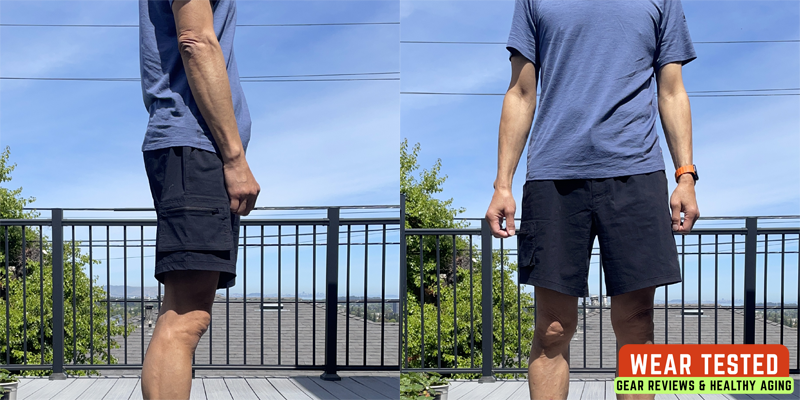
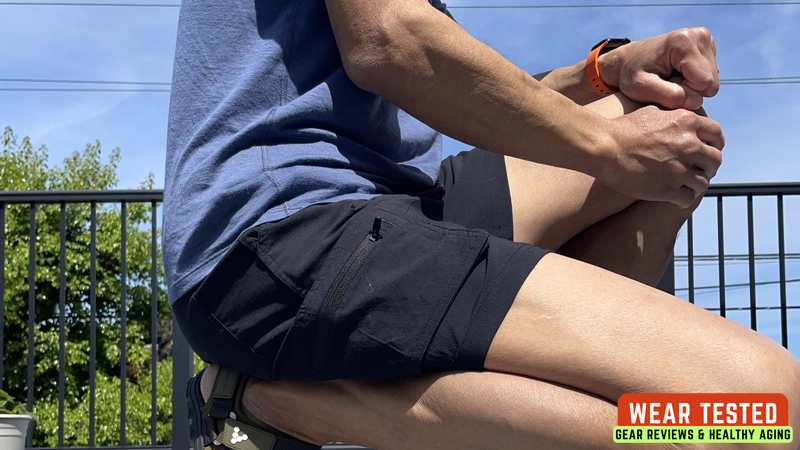
As the trail moves into exposed, sun-drenched sections along the reservoir’s eastern bank, the gear faces its first true performance test. The Men’s Merino 7″ Cargo Hike Short excels here; its blend of merino, recycled nylon, and spandex prevents the clammy sensation typical of synthetics while offering a bounce-free cargo pocket for essentials. On the women’s side, the Merino Sun Hoodie proves essential. With UPF 40+ protection and thoughtful features like a ponytail exit and thumbholes, it provides cooling sun defense without the “plastic bag” stuffiness found in lesser UV-resistant fabrics.
Mile 2.5 → 3.5: The Jepson Laurel Rest Point
Halfway Pause at a 600-Year-Old Tree
Stopping at the historic 600-year-old Jepson Laurel allows for a mid-hike gear inspection. The Men’s Merino Short Sleeve Tee highlights Smartwool’s Core Spun technology-merino wrapped around a nylon core-providing durability and soft skin-feel. Flatlock seams ensure a rub-free experience even after three miles of movement. Meanwhile, my female tester utilizes the versatility of her layers, easily transitioning between the Ultralite V-Neck and the Sun Hoodie to adapt to shifting reservoir breezes. The gear’s technical construction translates directly into a sustained, “invisible” comfort during active use.
Mile 3.5 → 6: North to San Andreas Lake and Back
The Long Return: When Lesser Gear Starts to Fail
The final stretch toward San Andreas Lake is where high-quality merino truly separates itself from cheap synthetics. While lesser fabrics often become odorous or chafe during the final miles, these pieces remain fresh and comfortable. The Cargo Hike Shorts maintain a secure, pressure-free fit via their drawcord waistband, while the Active Mesh Polo provides genuine relief through strategic ventilation zones that catch the breeze. By the end of the six-mile trek, we both returned to the parking lot without sweat rings or skin irritation, successfully validating Smartwool’s promise of temperature regulation and odor resistance.
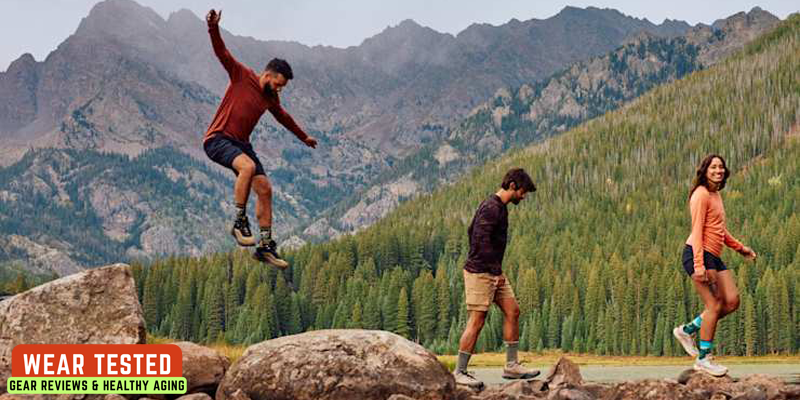
Smartwool Collection Product Reviews
Men’s Active Mesh Polo (SW003068)
Men’s · $85
Fabric: Merino wool + TENCEL™ Lyocell blend
Fit: Regular
Key tech: Mesh ventilation panels, raglan sleeves, offset side seams
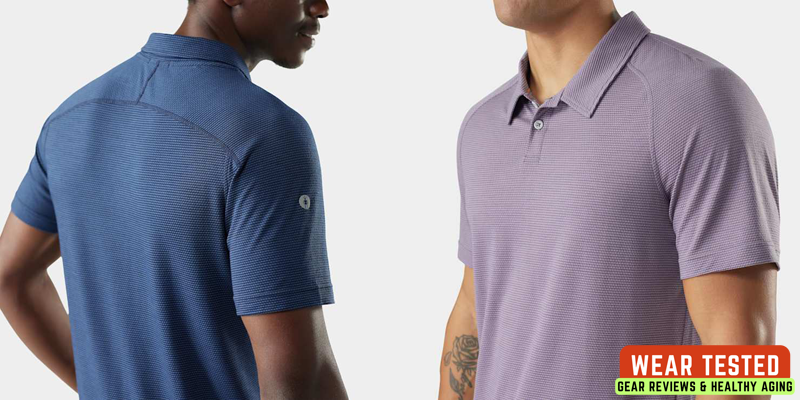
Merino + TENCEL™ Lyocell blend with open mesh ventilation at the back and sleeves keeps airflow moving in real heat. Raglan sleeves and offset side seams eliminate chafe points entirely. Collar held shape for six miles. Odor-free post-hike. The most trail-to-table-ready piece in the lineup.
Our Take: Best All-Rounder
Men’s Merino 7″ Cargo Hike Short (SW002730)
Men’s · $105
Fabric: 61% Merino Wool, 35% Recycled Nylon, 4% Spandex
Inseam: 7″ / 18cm
Fit: Athletic
Weight: 210g / 7.4oz
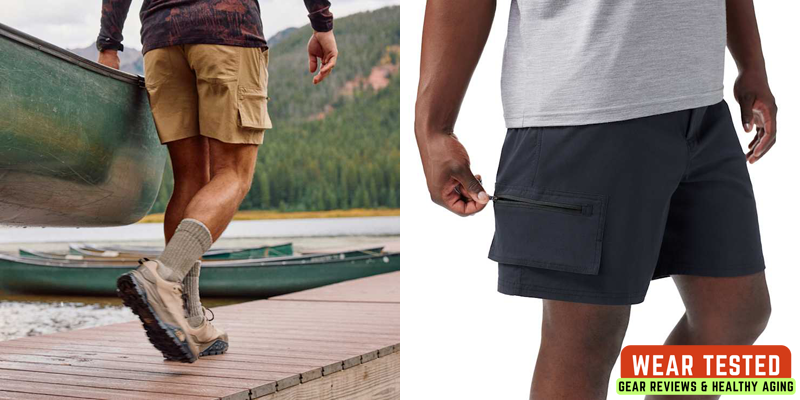
61% merino, 35% recycled nylon, 4% spandex – four-way stretch that never grabs or clamps in heat. Five pockets including a zippered cargo pocket that fits a full-size phone flat. Triple waistband system (belt loops, snap, drawcord) stayed locked for all six miles. Breathes like shorts, perform like technical gear.
Our Take: Best Technical Short
Men’s Merino Short Sleeve Tee (SW016948)
Men’s · $80–$95
Fabric: 88% Merino Wool, 12% Recycled Nylon
Technology: Core Spun – merino wrapped around nylon core
Fit: Slim
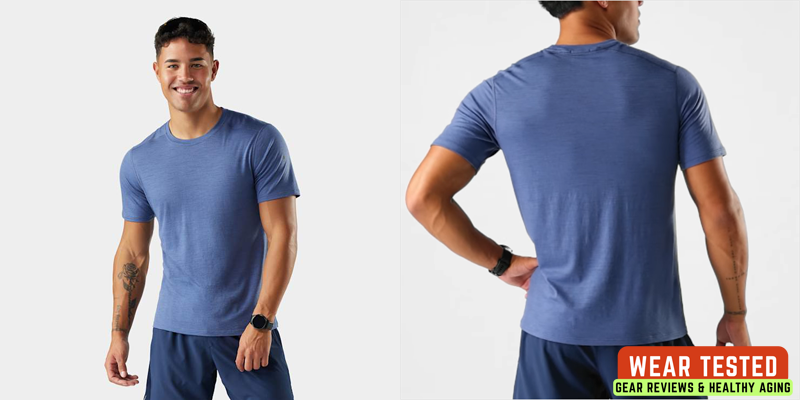
Core Spun construction wraps merino around a recycled nylon core – pure wool feels against skin, nylon durability underneath. Slim fit, flatlock seams, zero chafe even without a pack. The most packable piece here. Size up if you run between sizes; the slim cut is intentionally fitted.
Our Take: Best Pure-Merino Feel
Women’s Active Ultralite V-Neck Short Sleeve (SW016539)
Women’s · $60
Fabric: 53% Merino Wool, 47% TENCEL™ Lyocell
Weight: 120 g/m² (ultralight)
Fit: Regular
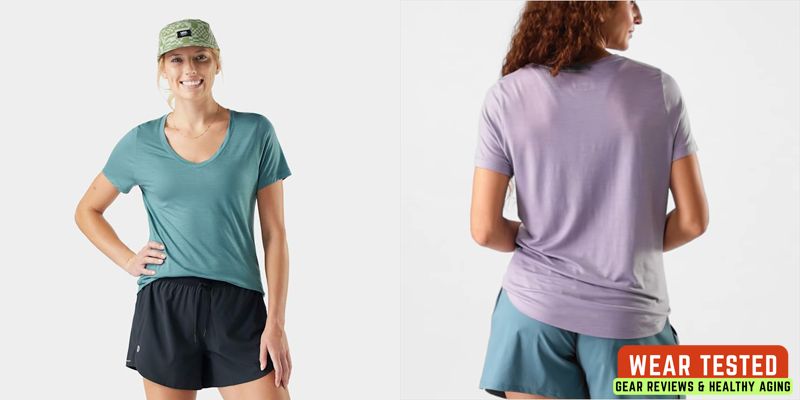
At 120 g/m², this is the lightest piece tested – featherweight 53/47 merino-TENCEL™ blend that cools actively rather than just wicking. V-neck adds collar ventilation; offset shoulder seams prevent pack chafe. Best value at $60. Delicate – lay flat to dry, don’t skip the gentle cycle.
Our Take: Best Hot-Weather Top
Women’s Merino Sun Hoodie (SW003076)
Women’s · $110–$120
Fabric: 88% Merino Wool, 12% Recycled Nylon (Core Spun)
UPF Rating: UPF 40+
Fit: Regular
Key features: Large hood with ponytail exit, thumbholes, reflective elements
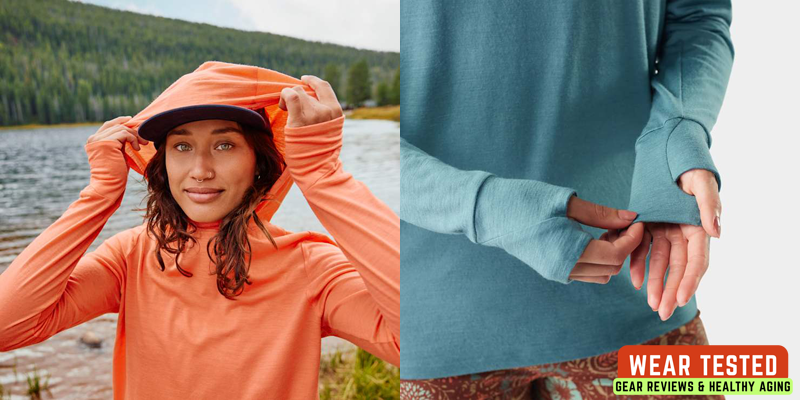
UPF 40+ without the synthetic “plastic bag” feel – Core Spun merino keeps natural wool against skin while recycled nylon adds durability. Large hood with ponytail exit port actually stays put. Thumbholes lock sleeves in place. Completely odor-free after six sun-exposed miles. The standout piece of the entire kit.
Our Take: Best Sun Protection Piece
Final Verdict
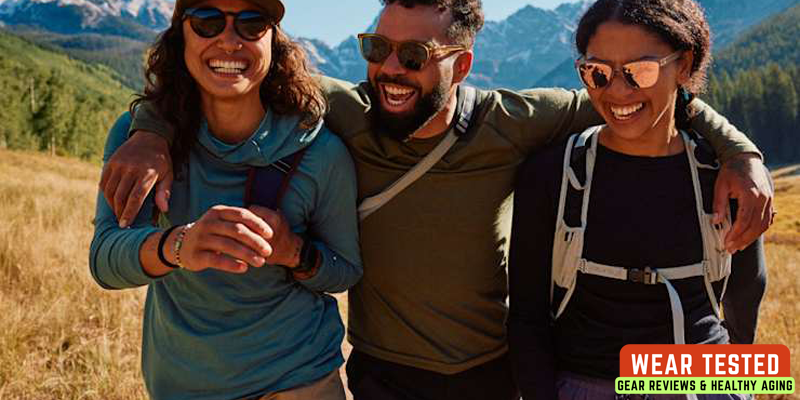
Six miles later, sitting at a table at the Crystal Springs picnic area watching a pair of red-tailed hawks work a thermal over the reservoir, our honest conclusion was this: Smartwool’s merino pieces perform the way the brand says they do. The temperature regulation is real. The odor resistance is real. The softness is real. The fabrics that use Core Spun technology show genuine durability improvements over pure merino. The TENCEL blends are meaningfully cooler than polyester alternatives.
The price is real too – this is not budget gear, and the investment calculus should factor in frequency of use. For someone who hikes once a month, the premium is harder to justify. For someone on the trails multiple times a week or planning multi-day trips where re-wearing between washes is a necessity, merino pays dividends every single time out.
If you’re building a Smartwool kit from scratch for California trail conditions, the Active Mesh Polo and Merino Cargo Hike Short form an excellent men’s core duo. For women, the Merino Sun Hoodie over the Active Ultralite V-Neck is a layering system that handles everything from morning chill to midday blaze with a single gear change. Start there, and you’ll understand what all the wool noise is about.
Frequently Asked Questions
Is Smartwool merino clothing actually worth the price for hiking?
For day hikes where you’re going straight home, the value proposition is moderate – synthetics work fine and cost less. Where merino truly earns its price is on multi-day trips, in high-heat conditions, or anywhere odor management matters. If you hike more than once a week and re-wear before washing, merino pays for itself in quality-of-life improvements.
What is TENCEL™ Lyocell and why does Smartwool blend it with merino?
TENCEL™ Lyocell is a fiber derived from sustainably certified wood pulp, produced through a closed-loop manufacturing process that recycles water and solvents. It’s notably soft, moisture-wicking, and cooling – it draws sweat away from the skin efficiently. When blended with merino, it adds softness and cooling performance that pure merino can’t achieve alone, while merino contributes natural odor resistance and temperature regulation that TENCEL alone lacks. The combination produces fabrics that are simultaneously softer, cooler, and more odor-resistant than either material independently.
What is Smartwool’s Core Spun technology?
Core Spun technology wraps merino wool fibers around a structural nylon filament core during yarn production. The resulting yarn has a merino exterior – soft, warm, odor-resistant – and a nylon interior that dramatically improves durability, resistance to pilling, and longevity compared to pure merino yarn. Because the nylon never directly contacts skin, you get the full sensory benefit of merino while avoiding the fragility that’s been a traditional drawback of pure merino garments. Smartwool uses this construction in their Merino Short Sleeve Tee and Women’s Merino Sun Hoodie, among other pieces.
Can you wear Smartwool merino hiking clothes in warm California weather?
Yes – and they’re often better than synthetics in heat, which surprises most people. Merino wool fiber is naturally hollow, which allows heat dissipation and moisture movement. Unlike synthetic fabrics that trap heat once saturated with sweat, merino continues to regulate temperature dynamically. The Active Mesh pieces add open-weave ventilation panels on top of the merino base, further accelerating airflow.
What’s the difference between the Men’s Active Mesh Polo and the Men’s Merino Short Sleeve Tee?
The Active Mesh Polo uses a multi-fabric blend (merino + TENCEL™ + mesh panels) for maximum breathability, has a collared design for versatility, and prioritizes airflow through open-weave mesh. The Merino Short Sleeve Tee uses Core Spun technology with an 88% merino / 12% nylon construction for a more refined, pack-friendly design with a slimmer cut. The Mesh Polo is the better choice for hot active use; the Merino Tee is better for versatility across temperatures and as a base layer.
How should you wash Smartwool merino hiking clothes?
Most Smartwool pieces recommend machine wash cold on a gentle cycle, avoiding bleach, and either tumble dry low or laying flat to dry. The Core Spun and Active Mesh pieces are more forgiving; the ultralight pieces like the Active Ultralite V-Neck are more delicate and benefit from flat drying to prevent stretching. Merino’s biggest practical advantage here is that it often doesn’t need washing after every single wear – the natural odor resistance means you can frequently wear pieces two or three times before laundering, which extends garment lifespan significantly.