TLDR;
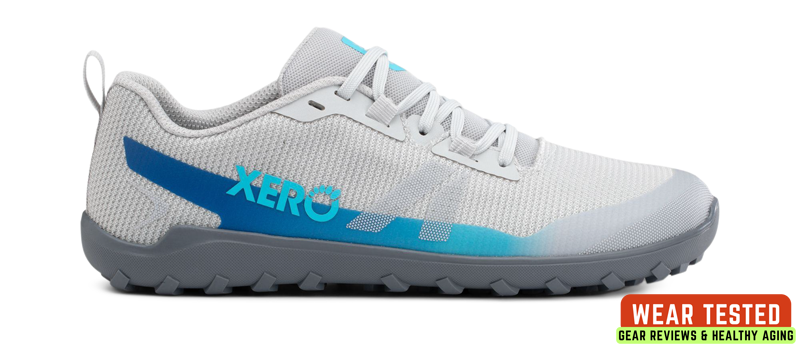
The Xero Shoes Mesa Summit and Mesa Summit WP are the next-generation replacements for the popular Mesa Trail II and Mesa Trail WP. The headline upgrade is Xero Shoes’ first-ever ESS rock guard, embedded into a 2.5mm EVA layer to shield high-impact zones – something the Mesa Trail line never had. Xero Shoes paired that protection with a new 3D-printed overlay upper, a 13mm total stack (9.5mm midsole + 3.5mm removable insole), and 3.5mm lugs, while keeping the zero-drop, wide toe box, barefoot-first design the brand is known for. At 9.8oz (men’s) and 8.4oz (women’s), it’s a genuine step up in durability and protection without abandoning ground-feel – making it the most “technical-terrain-ready” barefoot trail shoe Xero has released.
Why the Xero Shoes Mesa Trail Needed a Successor
Xero Shoes built a loyal following with the Mesa Trail II, a lightweight (7.8oz), zero-drop trail runner with a huarache-inspired design, welded upper components, and a FeelTrue sole with 3.5mm lugs. It let barefoot-shoe loyalists run trails without giving up the natural, connected feel they came to Xero Shoes for in the first place.
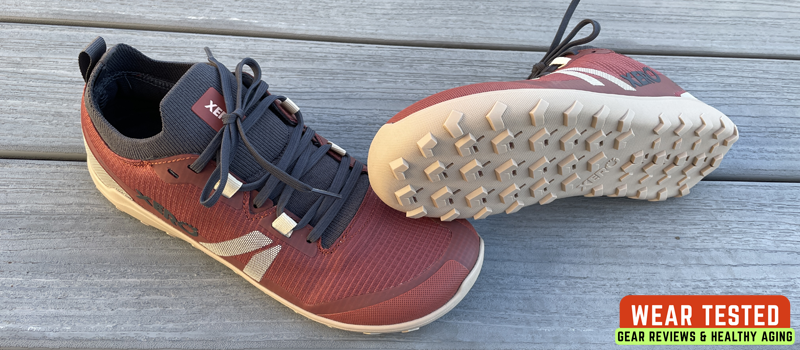
But the Mesa Trail II – and its waterproof sibling, the Mesa Trail WP – had a well-known limitation. Zero-drop, low-stack barefoot shoes put your foot closer to the ground, which is exactly the point, but it also means less standing between your sole and a sharp rock, root, or shard of trail scree. The Mesa Trail’s 3.5mm TrailFoam layer smoothed out minor bumps, but there was no dedicated protective plate. On truly technical, rocky terrain, experienced Mesa Trail wearers learned to watch their footing carefully.
That’s the gap the Mesa Summit was built to close.
The Mesa Summit’s Key Upgrades Over the Mesa Trail II
1. The Rock Guard – Xero’s First-Ever Protective Plate
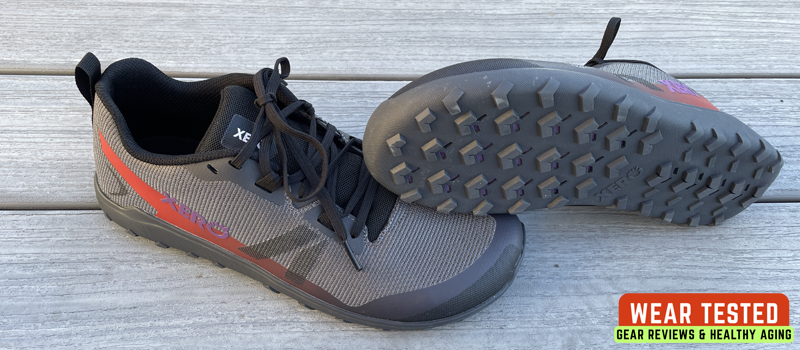
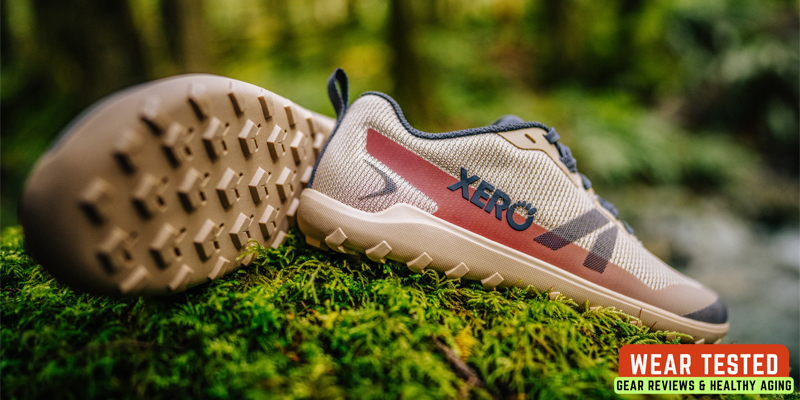
This is the headline feature. The Mesa Summit introduces a strategically placed ESS rock guard, embedded directly into a 2.5mm layer of performance foam in the high-impact zones of the sole. It’s the first time Xero Shoes has built dedicated underfoot armor into a shoe. For anyone who’s ever felt a stray rock through the Mesa Trail’s TrailFoam layer, this is the fix – added puncture and impact protection on technical, rocky, root-covered singletrack, without the shoe turning into a stiff, disconnected slab.
2. A More Durable, More Flexible Upper
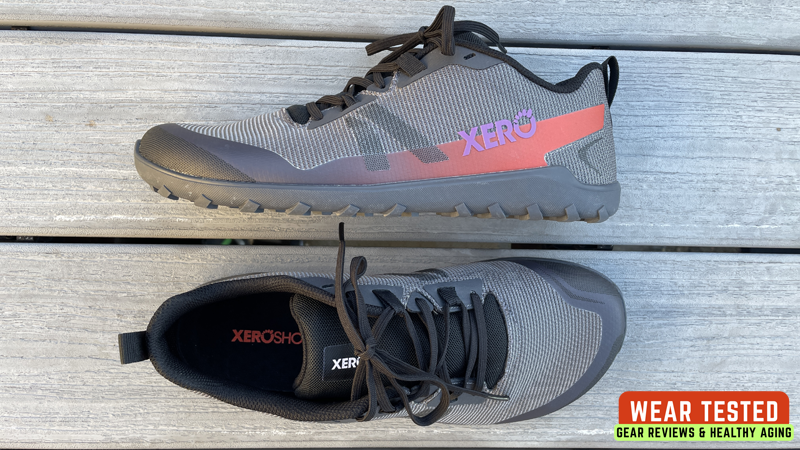
The Mesa Trail II relied on welded components and a breathable mesh for durability. The Mesa Summit moves to an abrasion- and debris-resistant polyester mesh reinforced with a 3D-printed overlay – a manufacturing upgrade that lets Xero Shoes add structure and durability exactly where the shoe needs it, without stiffening the whole upper. The result is improved flexibility, improved durability, and a lighter feel than traditional overlay methods typically allow.
3. Refined Stack and Sole Geometry
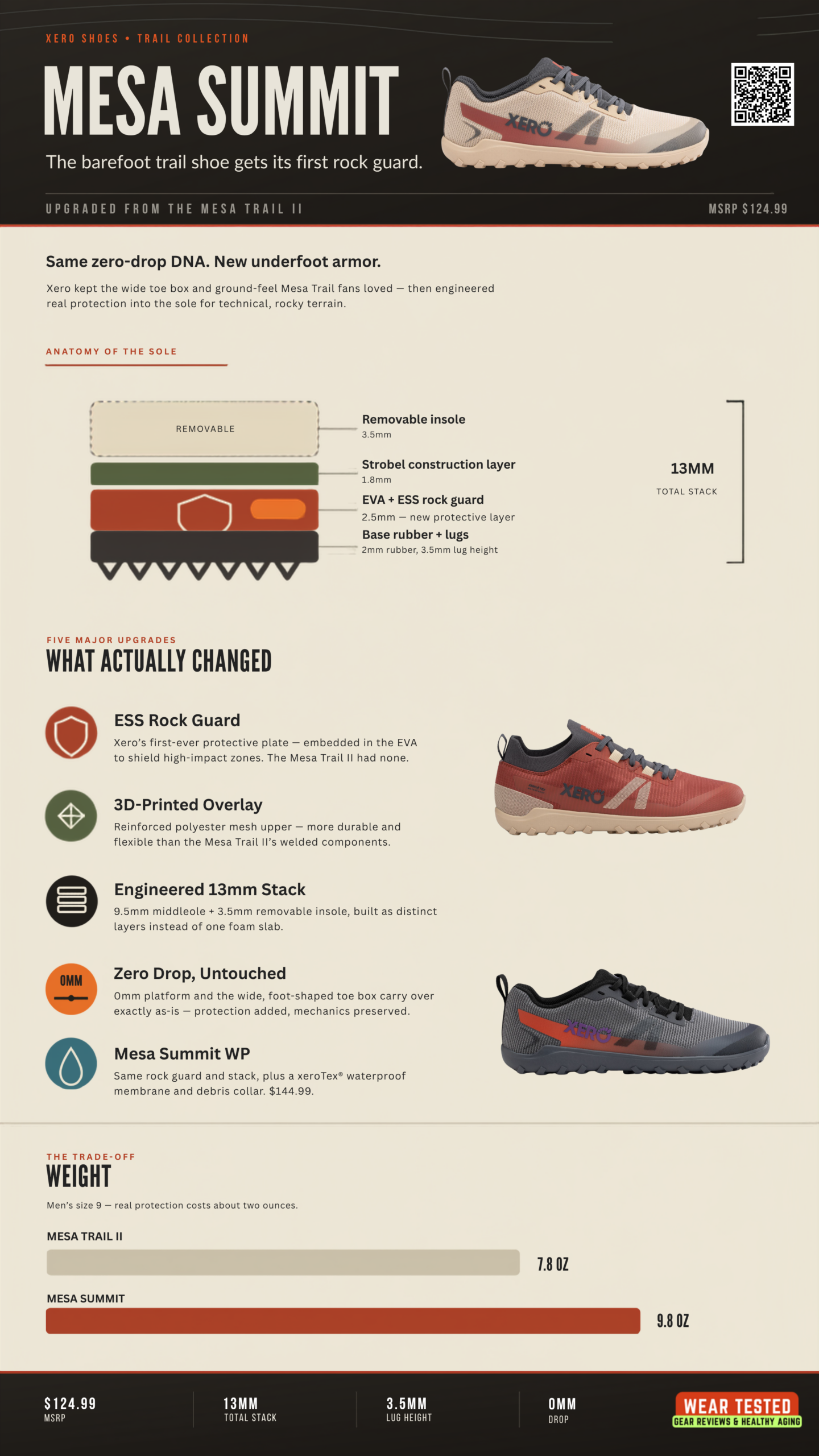
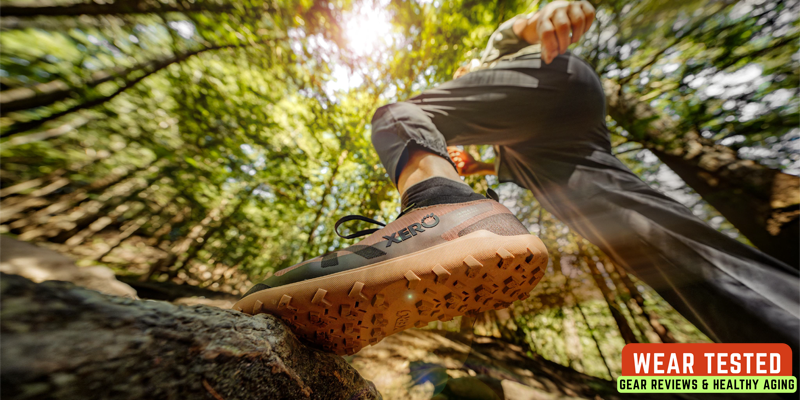
The Mesa Summit runs a 13mm total stack – 9.5mm midsole plus a 3.5mm removable insole – with the same 3.5mm lug height as the Mesa Trail II for consistent trail-gripping traction. The sole build now shows clear layering: a 2mm base rubber, then the 2.5mm EVA/rock guard layer, then a 1.5mm strobel construction layer, topped with the removable insole. It’s a more deliberate, engineered stack than the Mesa Trail’s simpler FeelTrue + TrailFoam setup – protection is added as a distinct layer rather than baked into one foam slab.
4. Weight: A Modest Trade-off for Real Protection
The Mesa Trail II weighed 7.8oz for a men’s size 9. The Mesa Summit comes in at 9.8oz (men’s size 9) / 8.4oz (women’s size 8). That’s a real increase – roughly 2oz – but it’s the trade-off for a rock guard, a reinforced upper, and a more structured sole. For barefoot-shoe purists chasing the lightest possible shoe, that’s worth noting. For anyone who’s rolled an ankle-adjacent wince off a hidden rock, it’s a fair exchange.
5. Zero Drop, Wide Toe Box — Unchanged and Non-Negotiable
Xero Shoes didn’t touch what makes it Xero Shoes. The Mesa Summit keeps the 0mm zero-drop platform, foot-shaped wide toe box, and low-to-the-ground design that defines every shoe in the lineup. This isn’t a “barefoot shoe that added a stack” – it’s still built around natural foot mechanics; the rock guard and stack additions are protection layers, not posture or gait changes.
What is an ESS Rock Guard?
An ESS rock guard is one of the material options brands use for the rock plate – the firm layer between a trail shoe’s midsole and outsole that shields your foot from sharp rocks and roots.
ESS is an EVA-based plastic, made firmer/denser than regular midsole foam so it acts as a protective shank. Some call it “Ethylene-vinyl acetate Shank” – a firm-density plastic rock plate derived from EVA foam, the same family of materials as most midsoles, used to create flexible plates that protect against bruising without adding excessive rigidity.
How it compares to other rock plate materials:
- TPU – a durable elastomer that provides effective protection while retaining significant flexibility, resulting in a more forgiving ride and better ground feel
- Nylon – a resilient polyamide known for its toughness and shatter-resistance, good for withstanding repeated, high-force impacts
- Carbon fiber – stiffest and lightest, used in performance-oriented shoes, sometimes doubling as a propulsion plate
- ESS – sits in the middle by being firmer than plain EVA midsole foam, but more flexible/forgiving than TPU or carbon
If a shoe spec says, “ESS rock guard,” expect underfoot protection from stone bruises that’s noticeably more flexible and less “planky” underfoot than a full TPU shank or carbon plate – a good middle ground if you want some rock protection but don’t want to lose ground feel entirely.
Meet the Waterproof Sibling: Xero Shoes Mesa Summit WP
Just like the Mesa Trail had a WP variant, the Mesa Summit does too – and it inherits every upgrade.
The Mesa Summit WP adds a XeroTex® waterproof membrane combined with a debris collar around the ankle, built on a closed-mesh version of the same 3D-printed overlay upper. It carries an identical ESS rock guard, 13mm stack, and 3.5mm lugs as the standard Mesa Summit. Weight climbs slightly to accommodate the membrane – 10.4oz (men’s) / 9.6oz (women’s) – and MSRP is $144.99, a $20 premium over the standard model.
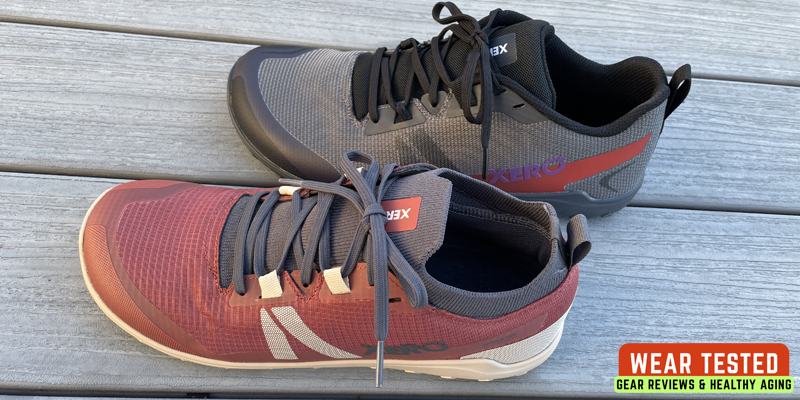
For wet trail systems, creek crossings, or shoulder-season mud, the WP variant turns the Mesa Summit into a genuine three-season technical trail shoe rather than a fair-weather one.
Xero Shoes Mesa Trail II vs. Mesa Summit: Side-by-Side
| Feature | Xero Shoes Mesa Trail II | Xero Shoes Mesa Summit |
| Rock guard | None | ESS rock guard (new) |
| Upper | Breathable mesh, welded components | Polyester mesh + 3D-printed overlay |
| Stack height | 11mm-12mm | 13mm (9.5mm midsole + 3.5mm insole) |
| Lug height | 3.5mm | 3.5mm |
| Weight (men’s size 9) | 7.8oz | 9.8oz |
| Drop | Zero drop | Zero drop |
| MSRP | $119.99 | $124.99 |
| Waterproof variant | Mesa Trail WP ($139.99) | Mesa Summit WP ($144.99) |
The pattern is clear: Xero Shoes kept everything that made the Mesa Trail line beloved – zero drop, wide toe box, trail-ready lugs, ground-feel – and layered in the protection and durability that experienced trail runners had been asking for.
Who Should Buy the Xero Shoes Mesa Summit
- Mesa Trail II owners ready to upgrade who love the fit and feel but have wanted more confidence on technical, rocky terrain
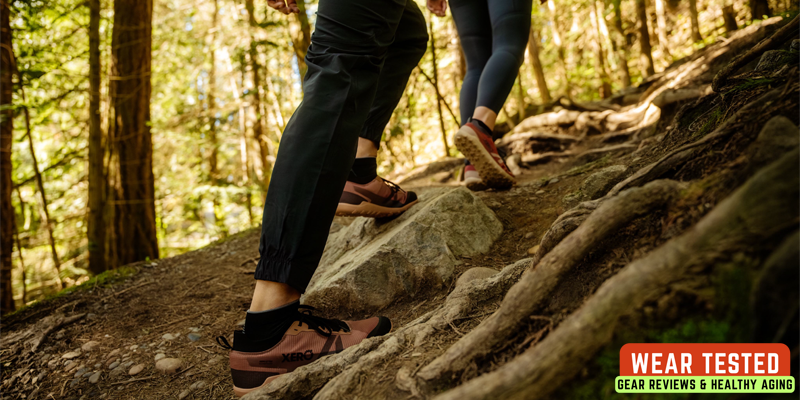
- Barefoot/minimalist runners moving into more aggressive trails – scree fields, root-heavy singletrack, alpine routes – where a plateless shoe starts to feel risky
- Hikers who want zero-drop mechanics with real underfoot protection, not just a trail runner borrowed for hiking
- Wet-climate trail runners and hikers should look straight at the Mesa Summit WP for the added membrane and debris collar
Who Might Stick with a Lighter Shoe
If you run primarily on smooth, non-technical trails or groomed paths and prioritize the absolute lightest weight and maximum ground-feel, the ~2oz weight increase and added structure of the Mesa Summit may feel like more shoe than you need. Xero Shoes road- and light-trail-oriented models remain better suited to that use case.
Technical Specs At A Glance
Xero Shoes Mesa Summit
- MSRP: $124.99
- Weight: 9.8oz (men’s 9) / 8.4oz (women’s 8)
- Stack height: 13mm (9.5mm + 3.5mm removable insole)
- Lug height: 3.5mm
- Drop: 0mm (zero drop)
- Protection: ESS rock guard embedded in 2.5mm EVA
- Sizing: Men’s 6.5–13, 14, 15 | Women’s 5–12 (true to size)
Xero Shoes Mesa Summit WP
- MSRP: $144.99
- Weight: 10.4oz (men’s 9) / 9.6oz (women’s 8)
- Stack height: 13mm (9.5mm + 3.5mm removable insole)
- Lug height: 3.5mm
- Drop: 0mm (zero drop)
- Waterproofing: XeroTex® membrane + debris collar
- Protection: ESS rock guard embedded in 2.5mm EVA
- Sizing: Men’s 6.5–13, 14, 15 | Women’s 5–12 (true to size)
Bottom Line
The Xero Shoes Mesa Summit isn’t a reinvention of the Mesa Trail II – it’s a targeted, deliberate evolution. Xero Shoes identified the one real limitation of its trail lineup (no underfoot protection against sharp technical terrain) and solved it with a purpose-built rock guard, without compromising the zero-drop, wide-toe-box, ground-feel philosophy the brand is built on. If the Mesa Trail II got you onto the trails, the Mesa Summit is what gets you further onto rougher ones.
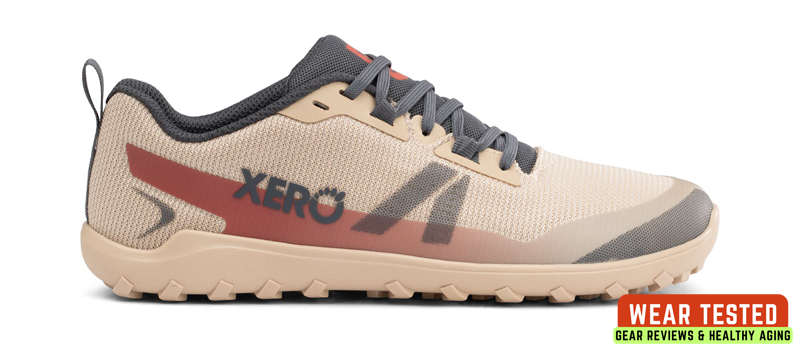
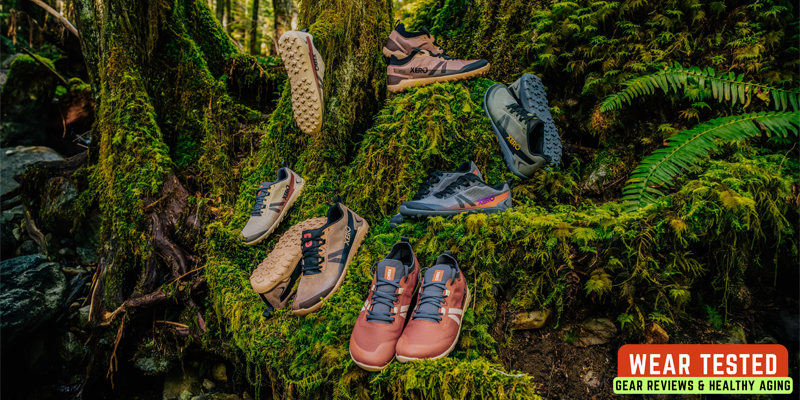
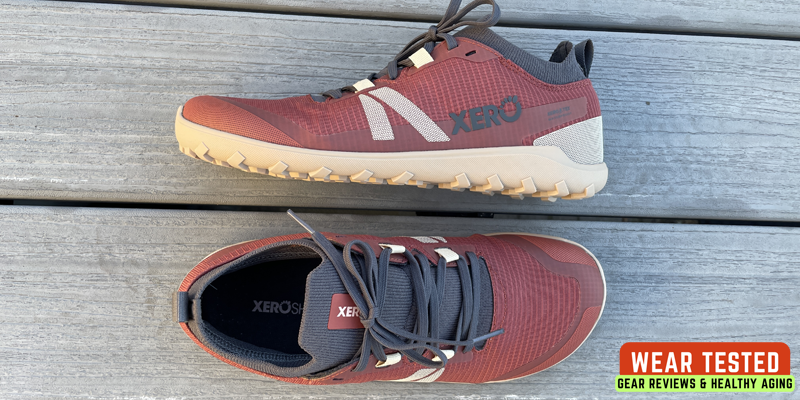
Mesa Summit available in many colorways including for Men – Asphalt/Multicolor, Army Green, Rawhide and for Women – Asphalt/Multicolor, Lunar/Xero Blue, Irish Cream.
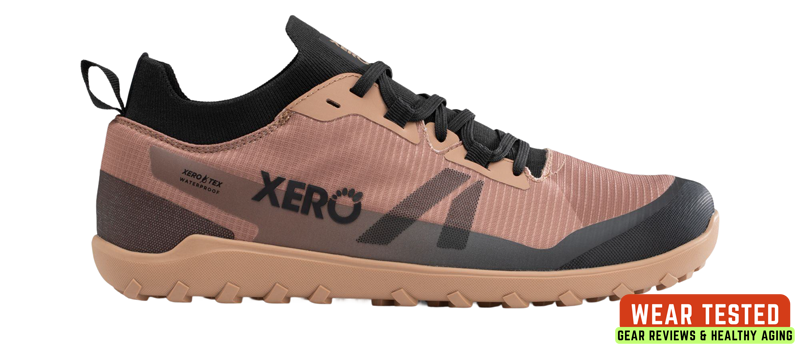
Mesa Summit WP available in many colorways including for Men – Black, Dark Irish Cream, Orange Flame and for Women – Asphalt/Multicolor, Burnt Brick, Orange Flame.