Unlock Peak Performance With The New Balance Minimus TR BOA® v2 Training Shoe
Posted on
The New Balance Minimus TR BOA® v2 emerges as a standout contender in the competitive world of minimalist trainers, blending advanced technology with signature barefoot-inspired ground feel, stability, and relentless gym-ready performance. Whether hitting heavy lifts, chasing HIIT agility, or craving quick lock-down, this detailed review reveals everything athletes and discerning buyers need to know about the Minimus TR BOA v2.
Quick Facts
Price: $160
Weight: 9.6 oz
Heel-to-Toe Drop: 4mm
Best For: Functional fitness, weightlifting, HIIT, cross-training, and serious gym work – not for all-day wear or long runs
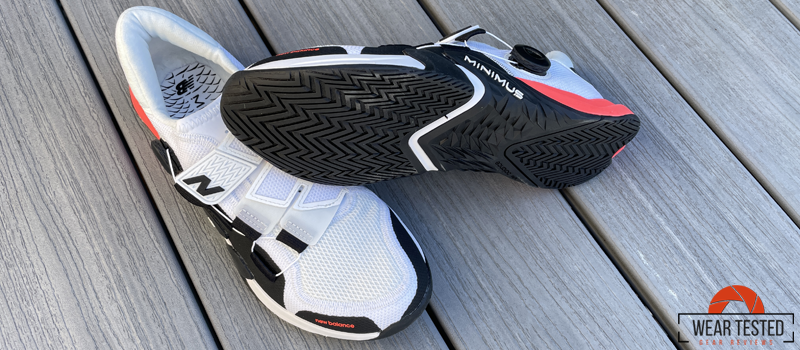
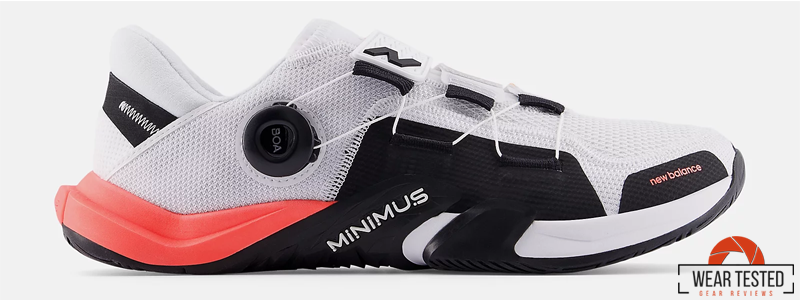
Opening the Minimus TR BOA v2 draws attention to its refined, minimal aesthetics. The BOA dial instantly signals that this is a modern, feature-packed shoe with a performance edge.
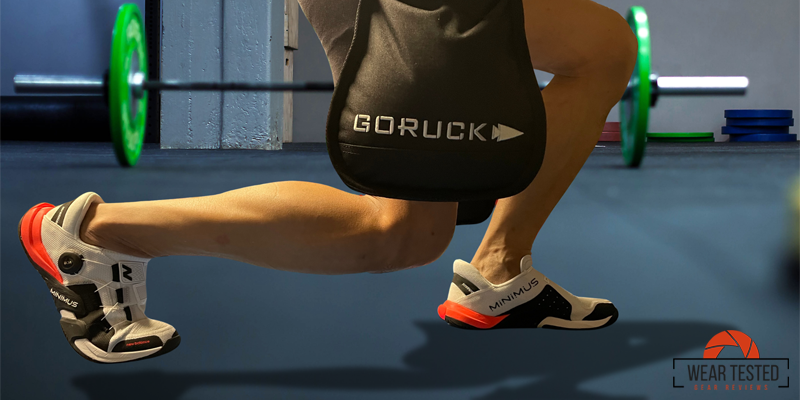
Running hands over the shoe, the PerformFit™ Wrap upper feels soft yet densely woven – ideal for sockless wear, my modus operandi. Minimal seams and thoughtful padding result in little friction, with the BOA dial promising a micro-adjustable lockdown unheard of in traditional shoes.
Key Features: BOA Fit System & Upper
The BOA Fit System, a highlight of this version, replaces laces with a precision dial and cable configuration. It delivers an instant, custom fit – tighten for squats and deadlifts, loosen for circuits – without ever retying or sacrificing stability. The unlimited micro-adjustments make this a favorite for time-pressed athletes transitioning frequently between lifts and movement drills.
The upper’s PerformFit™ Wrap design is engineered for a sock-like feel with stability in mind. It envelops the foot closely while minimizing slippage—especially during lateral moves, sled pushes, or rope climbs. However, this fit favors narrow or medium-width feet; those with wider feet may find the toe box slightly restrictive, and the BOA version currently lacks a “wide” size option.
Material choices include synthetic overlays for lightweight durability and a sticky rubber outsole for grip – vital for multidirectional training.
Underfoot Tech: FuelCell Midsole and Outsole
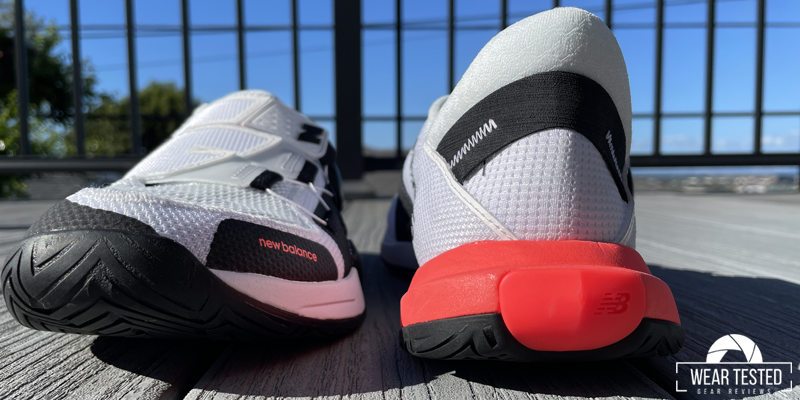
New Balance’s FuelCell midsole introduces a dual-density setup that feels stable, firm, and confidence-inspiring for heavy lifts. With just 3% bio-based content, this foam brings a slight bounce to propulsion yet never feels squishy or unstable underweight. Ground feel is notably ‘barefoot’ – expect a close-to-floor stance with both cushioning and firmness for immediate proprioceptive feedback during Olympic lifts, single-leg work, and plyometrics.
The outsole is sticky rubber in a herringbone pattern. On clean indoor floors, traction is outstanding – gym mats, platforms, and even turf are no problem. Rope climb durability is reinforced with beefed-up midfoot construction, protecting against abrasion while delivering strong grip across training modalities.
Performance Across Modalities
Lifting: Stability When It Counts
Stays stable during maximal loads.
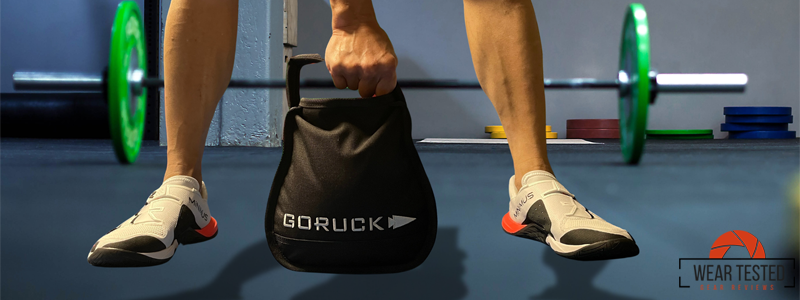
Firmness offers reliable push-off and zero heel collapse, ideal for squats, deadlifts, and unilateral strength.
Midsole does not compress under heavy weights, keeping the lifter “connected” rather than “cushioned.”
Cross-Training & Agility
Flexible upper and outsole allow for dynamic, multi-directional moves like box jumps, shuttle runs, and battle ropes.
Quick BOA adjustments help find a secure but comfortable fit, reducing lag between workout stations.
Cardio and Running
While the shoe is suitable for short sprints, intervals, and rowing, it is not optimized for long-distance run.
Still, the Minimus TR BOA v2 shines for hybrid training: rapid transitions from running to lifting, cycling, or plyometrics.
Comfort, Fit & Sizing
Sock-like construction and minimal seams help prevent blisters, making the TR BOA ideal for those working out barefoot or with ultra-thin socks. The collar padding lightly holds the ankle, though some may experience forward pressure pushing the toes into the front. For best results, size up by half if between sizes or seeking more toe room.
Fit is noticeably snug. This is a shoe for precision: narrow and medium feet get true “hug,” but wide feet should get the wider widths (2E or D).
Pros and Cons
Pros
Cons
Micro-adjustable BOA Fit is fast, easy, and secure
Toe boxes may be too restrictive for wider foot athletes
Barefoot-inspired ground feel, low-profile stance
Runs small/narrow – size up for toe comfort
Ultra-stable midsole excelling in heavy lifts
Some upper stitching may abrade over time
Durable outsole, reinforced for climbing and HIIT
Not designed for long-distance runs or all-day wear
Slightly higher drop than previous Minimus product line (4mm)
Minimal seams – sockless comfort is real
Workout Shoe Rotation
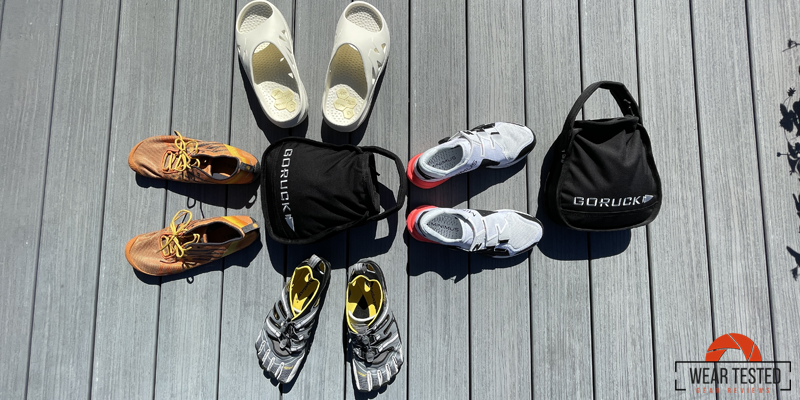
I currently wear various models from Vibram Five Fingers and the Merrell Vapor Glove for strength and power training. The New Balance Minimus TR is a welcome addition to our workout shoe rotation. Of course the New Balance RCVRY Slide is always a part of any recovery routine.
New Balance’s Minimus TR BOA v2 hits the sweet spot for serious gym demand – barefoot-inspired, stable, quick-fitting, and durable where it counts. Wider-footed athletes or runners should look at alternatives, but for the right user, the BOA precision and gym prowess elevate every session.
If your training style includes heavy weights, fast transitions, and the desire for a snug, dialed fit, this shoe delivers. Conversely, marathon runners or wide toe box devotees may want to stick with brands like Xero Shoes for better toe splay.
Ready to dial up your workout? The Minimus TR BOA® v2 proves that less can truly be more—if your feet fit the profile and your training pushes the limits. Find your perfect fit at New Balance.
Available in many colorways, with or without the BOA system, and in standard and wide (2E, D) widths.