The Ultimate Barefoot Court Shoe for Pickleball & Training
Posted on
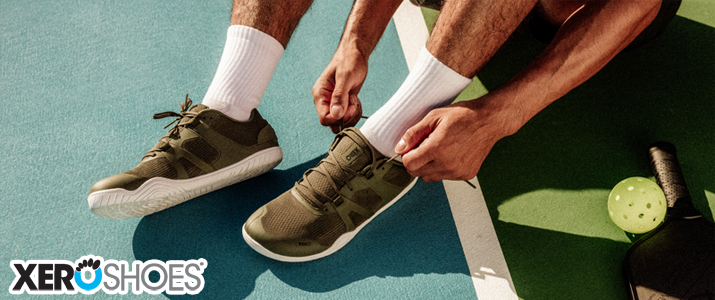
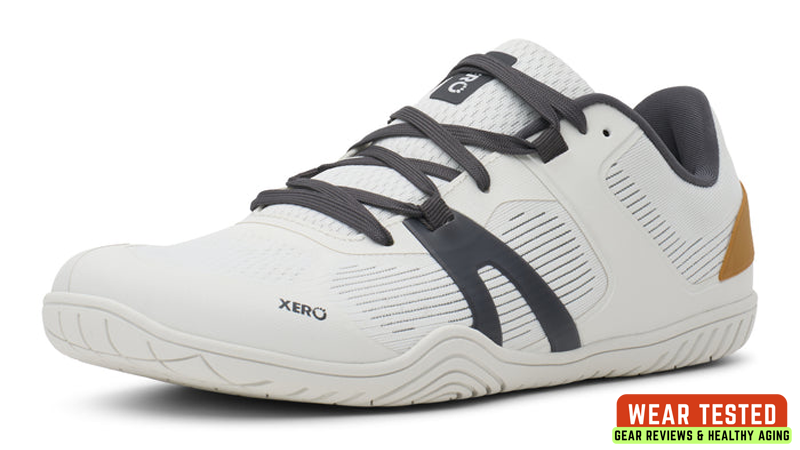
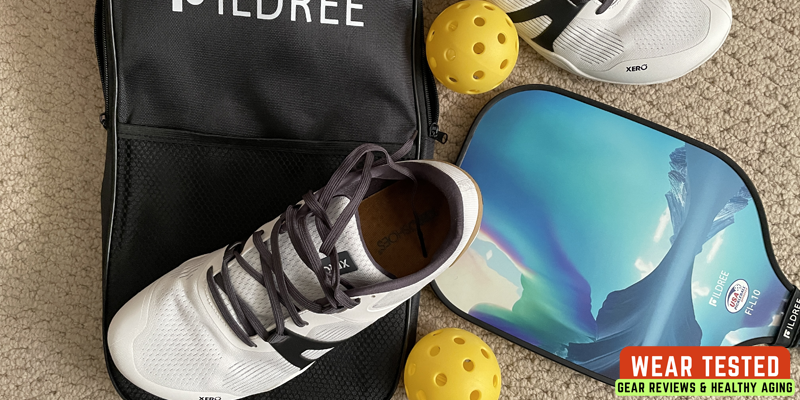
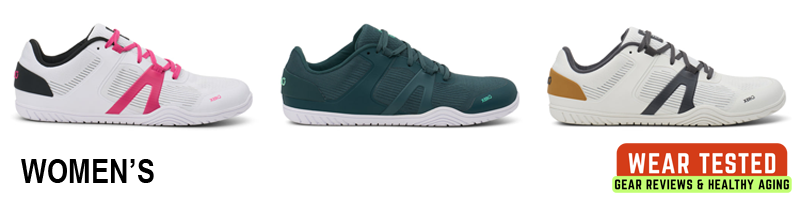
If you’ve been searching for the “holy grail” of barefoot court shoes, the Xero Shoes 360 Rally has officially arrived to fill the void. Launched as a high-performance evolution of the beloved 360 trainer, the Rally is specifically engineered for the high-intensity, lateral-heavy demands of pickleball, tennis, and cross-training.
In this review, we’ll dive into why this shoe is a game-changer for minimalist athletes and how it compares to the original 360 and its competitors.
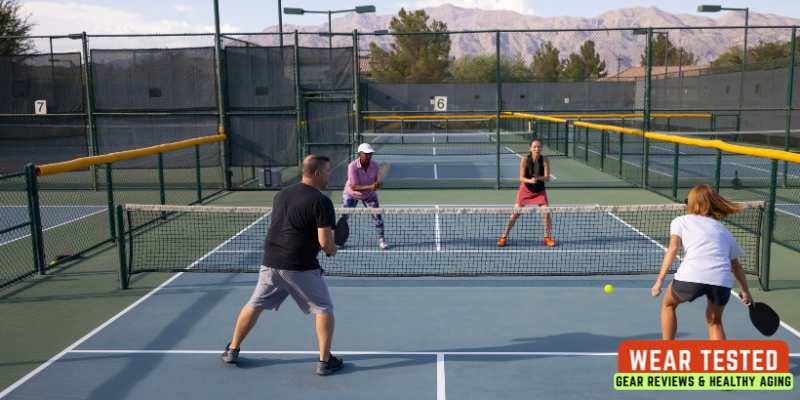
Pickleball is often described as a hybrid of tennis, badminton, and ping-pong. It’s played on a court about one-third the size of a tennis court, using a paddle and a perforated plastic ball (similar to a Wiffle ball). While it looks like “mini-tennis,” the strategy and rules are significantly different. Here is your crash course. … Continue reading
The Design: “Minimal to the Max”
The 360 Rally follows Xero’s philosophy of “Natural Movement,” but it adds a layer of ruggedness required for hard-court sports or strength training.
Omni-Directional Traction
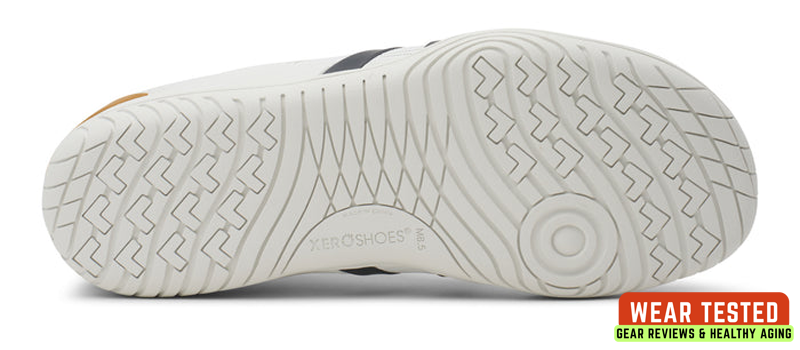
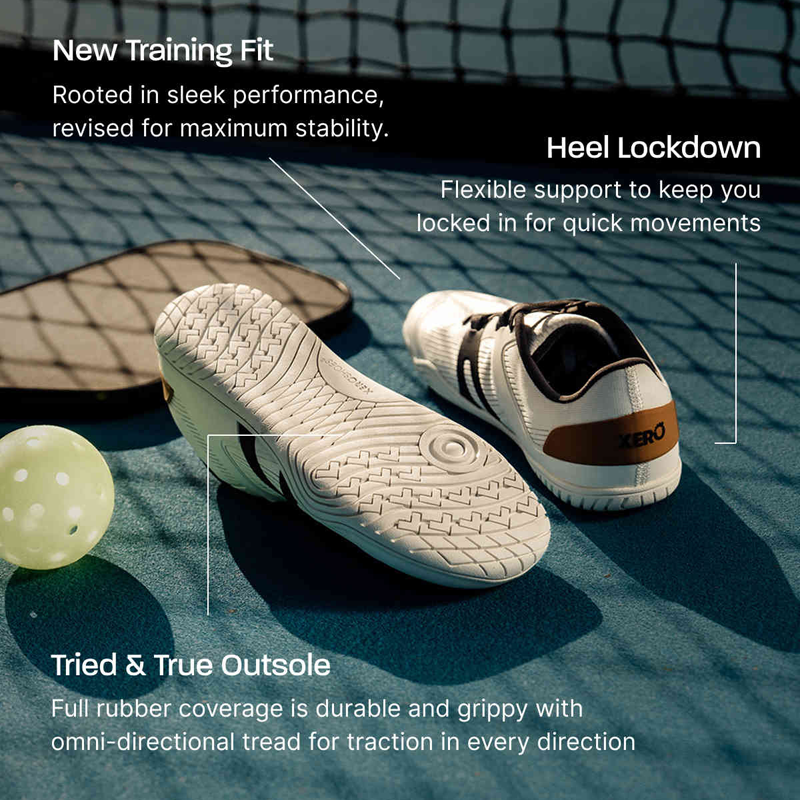
Unlike running shoes that prioritize forward motion, the 360 Rally features a 360-degree tread pattern. Whether you are backpedaling for a lob or lunging laterally for a “kitchen” dink in pickleball, the grip is predictable and sticky. The outsole also features sidewall wings—rubber extensions that wrap up the side of the shoe—to prevent “rollover” during sharp cuts.
Enhanced Durability (The Big Toe Overlay)
Court sports are notorious for destroying uppers through toe-dragging. Xero addressed this by adding a reinforced toe overlay. This targeted protection adds longevity without sacrificing the shoe’s hallmark flexibility.
Breathable & Secure Upper
The engineered mesh is zoned for support. It’s tight enough to provide a “locked-in” feel (essential for lateral stability) but breathable enough to keep your feet dry during a three-set match in the heat.
What We Look For In a Court or Workout Shoe
Unlike running shoes, which are designed for forward motion, court shoes are built for multi-directional agility and stability. Because pickleball involves constant side-to-side sprinting, sudden stops, and pivoting, a specialized court shoe is essential to prevent injury.
Lateral Stability (The “Outrigger”)
This is the most critical feature. Look for shoes with a wider base and a reinforced “outrigger” – a piece of rubber or plastic on the outer edge of the sole.
Why it matters: It prevents the shoe from “rolling over” during a sharp lateral cut, which is the primary cause of ankle sprains in pickleball.
Reinforced Toe Guard (Toe Drag Protection)
Many pickleball players (especially those who play at the “kitchen” line) drag their back foot during serves or lunges.
What to look for: A thick rubber wrap-around at the toe or a high-abrasion material (like KPU or TPU) on the inner side of the toe box.
Why it matters: Without this, a player can burn a hole through the mesh of a standard shoe in just a few weeks.
Multi-Directional Traction
Pickleball is usually played on hardcourt (asphalt or acrylic) surfaces.
What to look for: A rubber outsole with a herringbone or “omni” tread pattern.
Why it matters: Unlike running shoes with vertical lugs, court shoes need grip that works in 360 degrees to allow for quick pivots without slipping.
Impact Cushioning (Heel and Forefoot)
Hard courts are unforgiving on the joints.
What to look for: EVA or specialized foam (like Gel or Power Cushion) in the midsole.
Why it matters: It absorbs the shock of jumping for overhead slams and the constant “split-stepping” (the small hop players do before their opponent hits the ball).
Secure Heel Lockdown
Because of the frequent backpedaling and “starts and stops,” your foot shouldn’t slide inside the shoe.
What to look for: A stiff heel counter (the back part of the shoe) and an extra “eyelet” at the top of the laces (for a “heel lock” or “runner’s knot”).
Why it matters: It prevents blisters and “black toenail” caused by the foot slamming into the front of the shoe during sudden stops.
Weight vs. Durability Trade-off
Players generally fall into two categories:
Speed Players: Look for “Lightweight” court shoes (around 10–12 oz). These feel faster but wear out quicker.
Stability Players: Look for “Traditional” court shoes (13+ oz). These offer more support and usually come with a “6-month outsole warranty.”
Remember, running shoes are designed to only go in one direction – forward. Attempting lateral moves around the court in running shoes can cause you to roll an ankle or trip and fall – we don’t want that especially in our senior years.
Performance Analysis: How It Feels on Court & Gym
Lateral Stability vs. Ground Feel
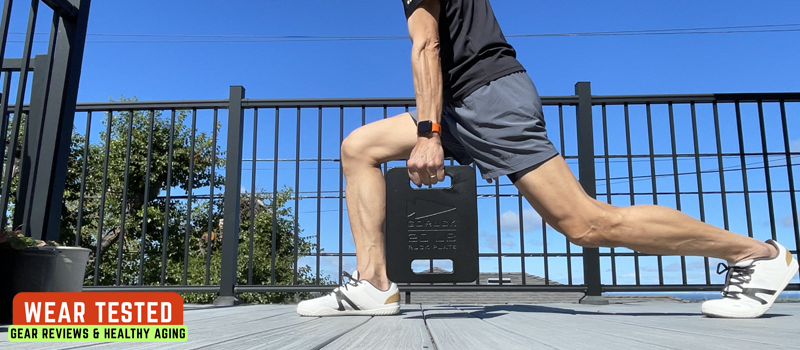
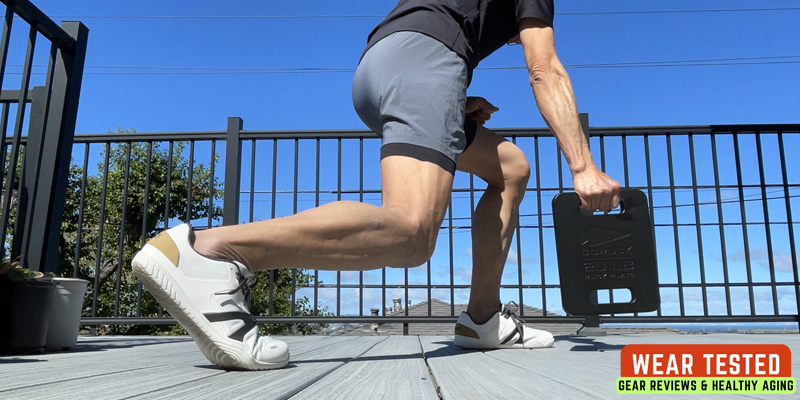
The biggest challenge for barefoot court shoes is balancing “ground feel” with the need for side-to-side support. Traditional barefoot shoes can feel “sloppy” when you change direction quickly. The 360 Rally solves this with its Huarache-inspired tensioning system. When you lace up, the straps pull the shoe snugly around your midfoot, while the wide toe box remains open for natural splay.
Biofeedback and Agility
With a 9.5mm stack height, you are low to the ground. This provides instant biofeedback to your brain, allowing for faster reactions – you will feel more “connected” to the court, which significantly reduces the risk of ankle rolls compared to high stack, “cushioned” court shoes.
Xero Shoes Comparison: 360 Rally vs. Original 360 vs. X1
Feature
360 Rally
Original 360
X1 Basketball
Primary Use
Court Sports / Pickleball
Gym / Cross-Training
Basketball
Upper Material
Abrasion-Resistant Mesh
Lightweight Knit/Mesh
Durable Synthetic
Lateral Support
High (Sidewall Wings)
Moderate
Very High
Toe Protection
Reinforced Overlay
Rubber Grip Ribs
High
Weight (M9)
9.0 oz
9.0 oz
~10.5 oz
The Verdict
The 360 Rally takes the lightweight soul of the original 360 and adds the structural “DNA” of the X1 basketball shoe. It’s the perfect middle ground for athletes who need more than gym shoes but less “bulk” than basketball shoes.
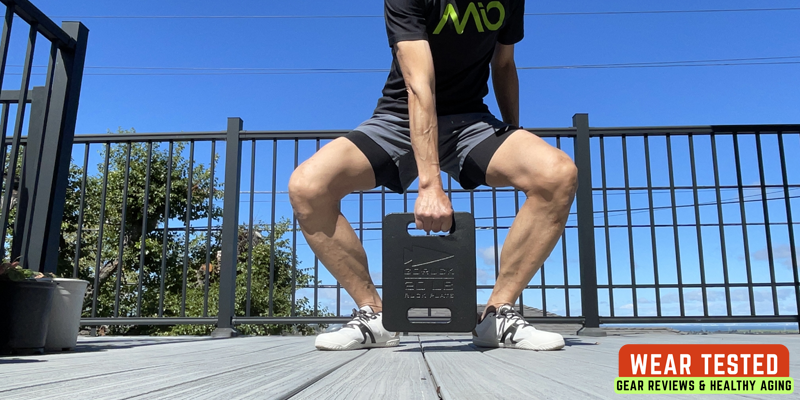
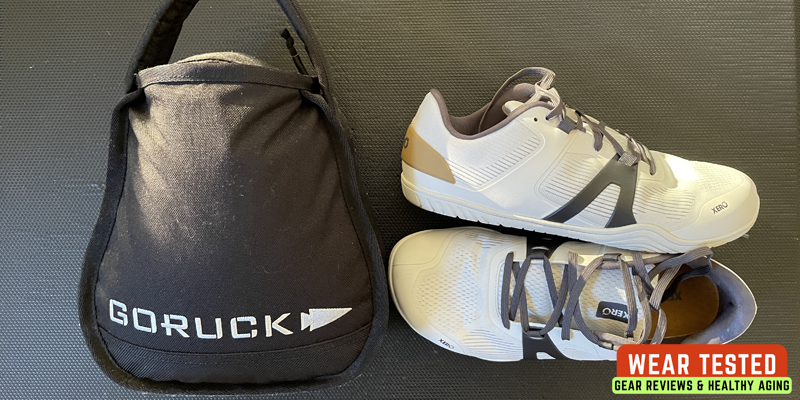
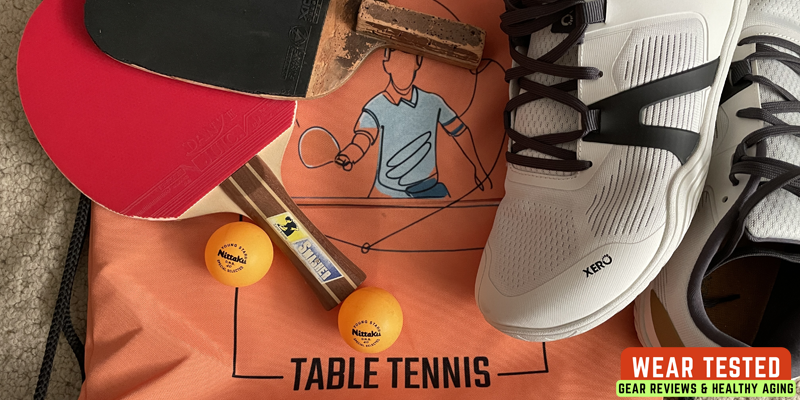
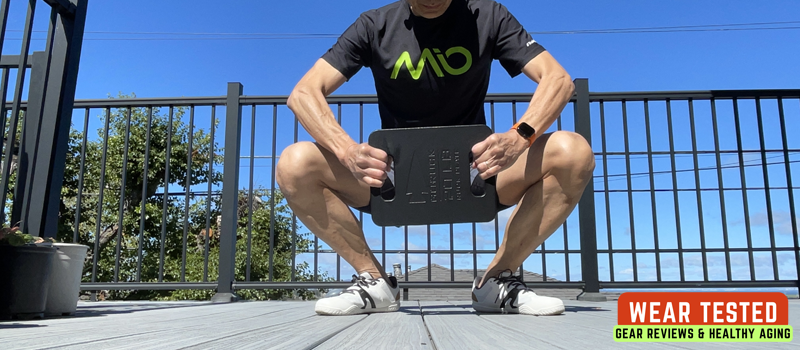
We’ve been using the 360 Rally for strength training and table tennis in addition to pickleball. I wished I had a pair of 360 Rally while playing table tennis in college competitions. But now I have it also for building back muscle strength and power as we age. And Xero Shoes to thank 🙂
Pros and Cons
Pros:
Pickleball Ready: Arguably the best barefoot-style shoe currently on the market for pickleball.
Superior Lockdown: No sliding inside the shoe during lateral pivots.
5,000-Mile Warranty: Xero stands by their FeelTrue® soles, offering peace of mind for high-friction court use.
Versatile Aesthetics: The “White/Asphalt” colorway looks like a premium athletic shoe, not a “clown shoe” (a common barefoot shoe complaint).
Cons:
Price Point: At $129.99, it is one of Xero’s more expensive performance models.
Minimal Cushion: If you are transitioning from high-cushion brands like On Running, Nike, Saucony, Under Armor, or Adidas, your calves will need a break-in period.
The Bottom Line
The Xero Shoes 360 Rally is a specialized tool for a specific job. If you are a barefoot enthusiast who has been struggling to find a shoe that doesn’t fall apart or “slip” on the pickleball or tennis court, this is your solution. It provides the protection you need for aggressive play without stealing the natural “feel” that makes barefoot movement so beneficial.
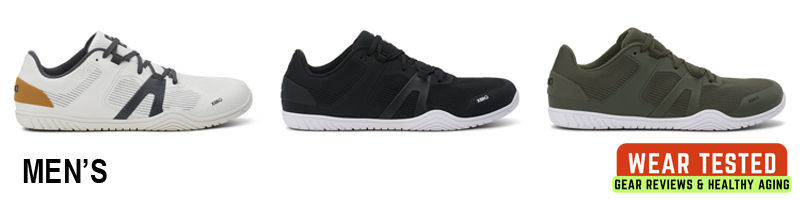
Available in various colorways for both men and women.