

Pickleball is often described as a hybrid of tennis, badminton, and ping-pong. It’s played on a court about one-third the size of a tennis court, using a paddle and a perforated plastic ball (similar to a Wiffle ball).
Think of pickleball as the “Goldilocks” of racket sports: less grueling running than tennis, more action than ping-pong, and twice as social as both. It’s played on a court roughly one-third the size of a tennis court, using solid paddles and a perforated plastic ball.
The game prioritizes strategy and “dinking” (soft shots) over raw power. Unique rules like “The Kitchen”– a no-volley zone near the net – prevent players from simply smashing every shot, which keeps rallies long and accessible for all ages. It’s fast-paced, highly addictive, and currently the world’s favorite excuse to get competitive while hanging out.
While it looks like “mini-tennis,” the strategy and rules are significantly different. Here is your crash course.
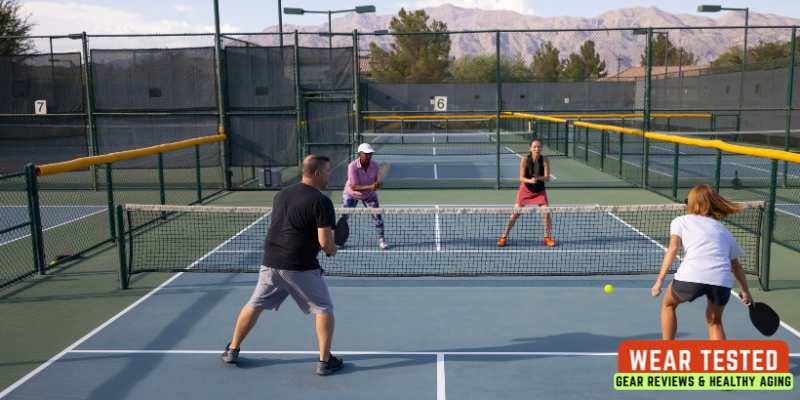
The Big 3 Rules of Pickleball
If you learn these three rules, you can play a basic game today:
- The “Two-Bounce” Rule: After a serve, the ball must bounce once on the receiver’s side and then once more on the server’s side before anyone is allowed to “volley” (hit the ball out of the air).
- The Kitchen (Non-Volley Zone): The 7-foot area closest to the net on both sides is “the Kitchen.” You can stand in it whenever you want, but you cannot hit the ball out of the air while standing in it. If the ball bounces in the Kitchen, you can step in and hit it.
- Side-Out Scoring: In standard pickleball, you can only score points when you are the serving team. If you win a rally as the receiver, you don’t get a point; you just move closer to winning the right to serve.
Pickleball vs. Tennis: Key Differences
| Feature | Pickleball | Tennis |
| The Serve | Must be underhand (contact below the waist). | Usually overhand (powerful weapon). |
| Court Size | 20′ x 44′ (same for singles and doubles). | 36′ x 78′ (doubles) or 27′ x 78′ (singles). |
| The Ball | Plastic, hollow, with holes (slower). | Felt-covered rubber, pressurized (faster). |
| Net Height | 34 inches in the center. | 36 inches at the center. |
| Scoring | Games usually go to 11 (win by 2). | Points (15, 30, 40), Games, and Sets. |
| Volleying | Restricted by the Kitchen rule. | Allowed anywhere (except when serving). |
SPONSORED
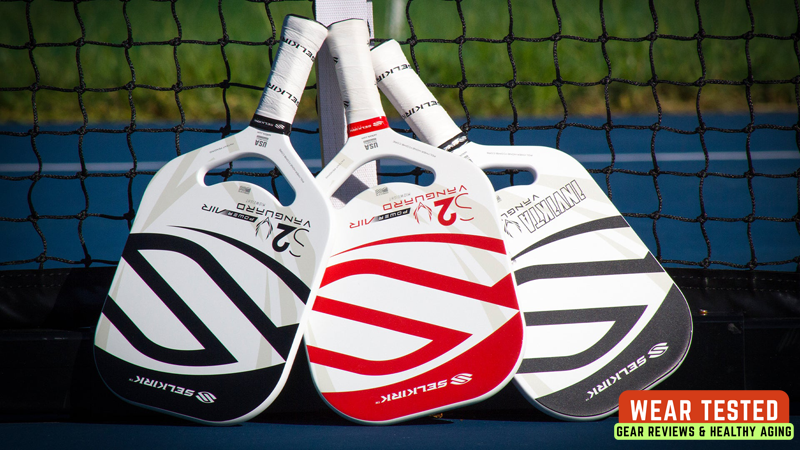
Choosing A Selkirk Sport Pickle Racket
Choosing a pickleball paddle isn’t just about finding one that looks good, players need to select a tool that matches their current skill level while giving them room to grow.
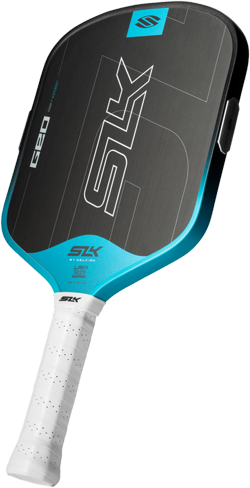
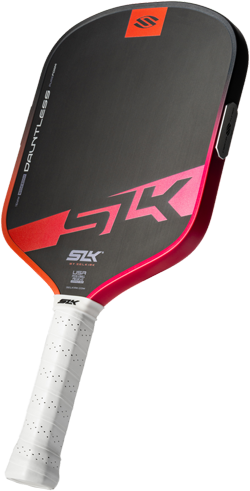
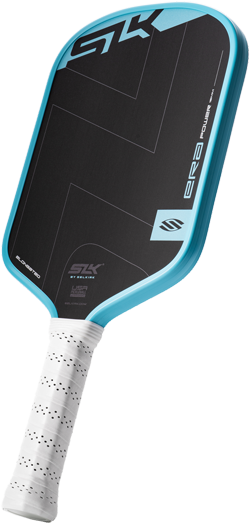
The Selkirk Sport 2026 reset removes the friction of choosing between dozens of similar models with defined price points ($80, $100, $180, $200) for every budget. It also brings premium features like Carbon Fiber and specialized cores to the SLK brand.
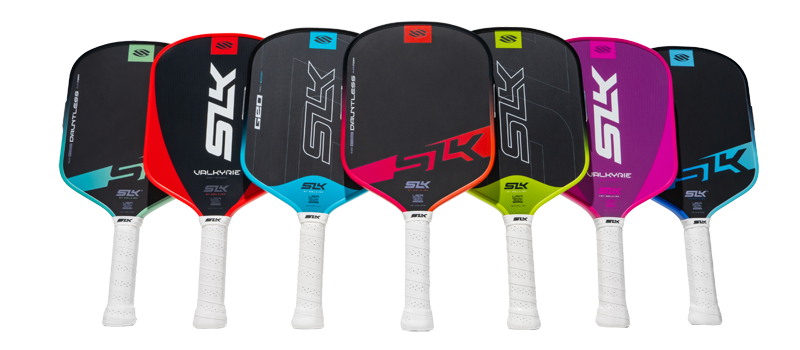
The Player Journey
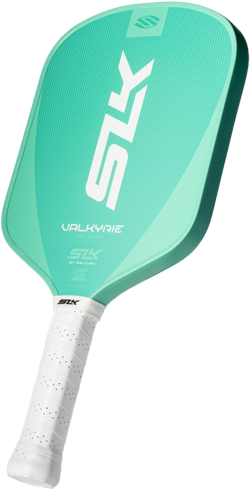
- Step 1: Starting Out → Valkyrie (The “Easiest Yes”)
- Step 2: Growing Skills → Geo (The “Start and Stay” Choice)
- Step 3: Competitive Play → Dauntless (The “Smart Step Forward”)
- Step 4: Dominating the Court → ERA Power (The “High-Octane Flagship”)
| Paddle | Player Profile | Key Features |
| SLK Valkyrie ($80) | The Newcomer: Casual weekend warriors & first-timers. | Widebody shape, maximum forgiveness, focus on consistency. |
| SLK Geo ($100) | The Rising Star: Committed beginners & intermediate players. | Raw carbon face, large sweet spot, balanced power/control. |
| SLK Dauntless ($180) | The Competitor: Tournament-bound & recreational vets. | MOI Tuning System, PureFoam core, control-leaning feel. |
| SLK ERA Power ($200) | The Aggressor: Players who want to dictate pace & speed. | Maximum velocity, aerodynamic design, elite power. |
The “Third Number” Mystery
When playing doubles, you’ll hear players call out three numbers before serving (e.g., “5 – 3 – 2”).
- First Number: Serving team’s score (5).
- Second Number: Receiving team’s score (3).
- Third Number: Which partner is serving (1 or 2). In pickleball, both players on a team get a turn to serve before the ball goes to the other side (a “side-out”).

More on Pickleball
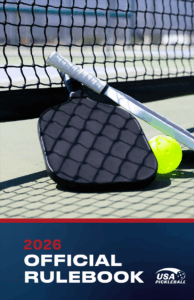
1. The “Bible” of Pickleball: The Official Rulebook
The USA Pickleball (USAP) organization is the national governing body. Their rulebook is the final word on scoring, faults, equipment standards, and court dimensions.
- Where to find it: USAPickleball.org/rules
- What’s inside: Detailed sections on the “Double Hit” rule, momentum rules in the Kitchen, and the nuances of the “Drop Serve.”
2. The Best “Cheat Sheet”: Basic Rules Summary
If you don’t want to read a 100-page PDF, USA Pickleball provides a Basic Rules Summary. This is the definitive “quick start” guide used by most clubs.
- Where to find it: USAP Pickleball Basics