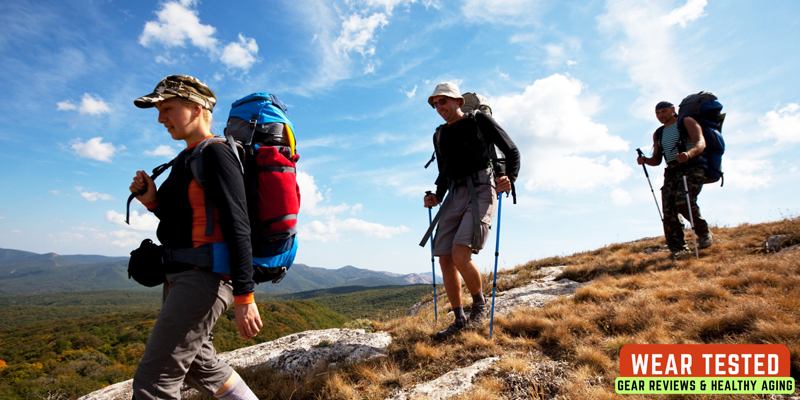
Ever started up a trail only to realize you forgot something crucial? From sudden rain to rocky scrambles, the right gear makes all the difference between a memorable adventure and an agonizing slog. Whether you’re taking on your first 5-mile out-and-back or heading for a multi-day summit quest, having these 15 hiking essentials in your pack is the best way to stay safe, comfortable, and ready for whatever awaits beyond the next switchback.
My 15 Must-Have Hiking Gear Essentials
- Proper Footwear: The foundation of injury-free hiking. I’ve recently covered minimalist trail shoes like the Altra Lone Peak 9+ GTX and LEMs Shoes Trail Thrasher Pro – both solid choices for natural movement and trail grip. If you’re looking for specific trail shoe recommendations, be sure to read my latest reviews on Altra Lone Peak 9+ GTX and the LEMs Trail Thrasher Pro Waterproof. I only recommend gear I’ve put through miles of testing – your feet will thank you on your next outing. If instead you’re looking for a pair of hiking sandals, check out our favorite LEMs Shoes Switchback.
- Lightweight Backpack: Look for an ergonomic, adjustable pack – bonus points for a ventilated back panel to reduce sweaty backs.
- Weather-Appropriate Clothing: Layer up! Quick-drying shirts, insulating mid-layers, and a packable rain jacket (even on those “guaranteed” blue-sky days). Check out some of the Mammut and Smartwool jackets we’ve tested.
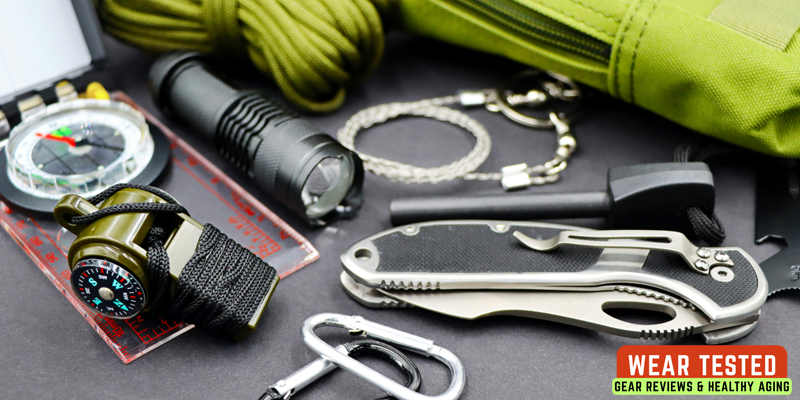
- Navigation Tools: Map, compass, or GPS device (plus backup batteries for the latter). Don’t rely entirely on your phone – service vanishes just when you need it.
- Water & Filtration: Carry ample water PLUS a filter or purification tablets in case you need to refill on the trail. My pet peeve is always drinking water with electrolytes on hot days – check out my favorite Liquid I.V. hydration booster.
- Food & Snacks: Pack enough for the journey, plus some extra for surprise detours – nuts, jerky, and bars that won’t melt or crush are my go-tos.
- First Aid Kit: Pre-built kits work, but tailor yours with blister care, athletic tape, and pain relief.
- Headlamp or Flashlight: Trails don’t care about your ETA. Even day hikes can run late – don’t get caught out after dark without a light and spare batteries.
- Multi-tool or Knife: A small Swiss Army or Leatherman for gear fixes, snack prep, and emergencies.
- Sun Protection: Sunglasses, SPF 30+ sunscreen, and a hat with a brim. Check out the cool Turtle Fur Boonie Hat we’ve tested.
- Emergency Shelter: Something quick like a foil bivy (bivouac sack) or even a light tarp – critical if weather or injury forces you to hunker down.
- Fire Starter: Waterproof matches or a lighter, plus a small pack of tinder in a plastic baggie.
- Trekking Poles: They’re joint savers on steep descents and boost stability when the ground gets uneven.
- Bug Protection: Insect repellent (especially in shoulder seasons), and lightweight bug netting for certain regions.
- Personal Identification & Emergency Contact Card: Tuck these in an accessible pocket, just in case.
Bonus Tip:
Before every hike, I do a quick gear check and let someone know my route and return time. It’s one of the simplest, most effective safety habits.